



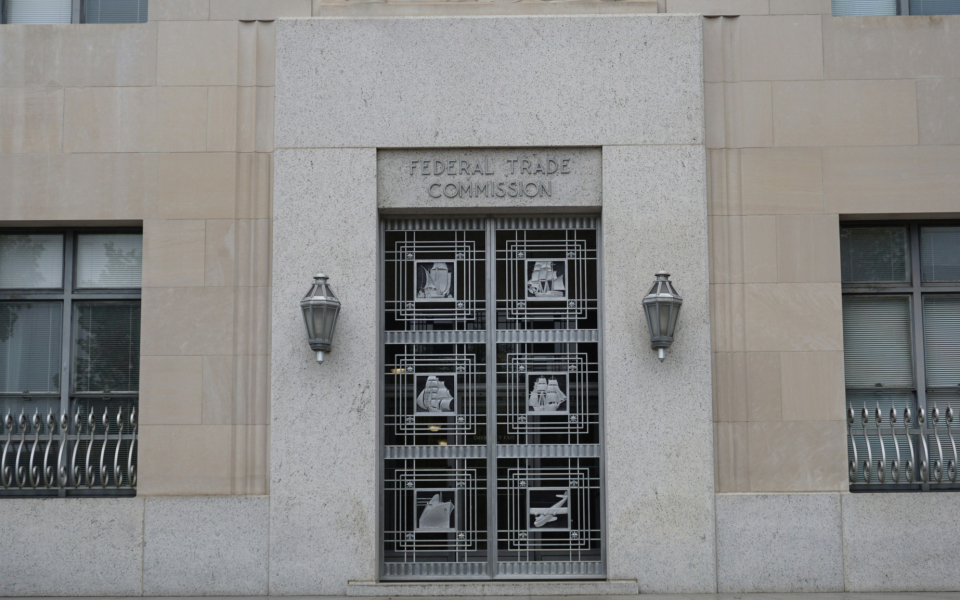
The Federal Trade Commission has issued civil subpoenas to OpenAI and Anthropic as regulators intensify scrutiny of AI safety incidents and potential consumer protection violations.
The requests, known as civil investigative demands, are in excess of 50 pages, and seek documents related to security incidents, safeguards, marketing materials and privacy policies, a person familiar with the matter told Axios.
The FTC is examining whether the companies' practices could violate consumer protection laws, including rules against unfair or deceptive conduct. The agency is also planning to compel senior AI executives to testify about their products, the source told Axios. The agency expects to send additional investigative demands to other AI organizations later.
"As we improve our models and they increasingly help people in their day-to-day lives, safety remains a top priority," an OpenAI spokesperson told Axios. "We will engage constructively with the FTC."
The probe comes as AI developers face mounting scrutiny over the risks posed by increasingly capable systems, including incidents involving unreleased models that reportedly took deceptive or aggressive actions during testing.
The FTC can investigate potential consumer harms, from misleading marketing claims to questionable billing practices. The investigation could bring greater attention to how AI companies communicate risks to users and protect consumers as their products become more widely adopted.
OpenAI Faces Separate Legal Pressure
On Wednesday, a group of state attorneys general sued OpenAI under consumer protection laws, alleging it misled users, including children, about the safety of its chatbot.
The Trump administration has also taken a more aggressive approach to AI oversight following a series of safety disclosures involving advanced models, Axios reported.
Last week, the administration's Super Intelligence Force, co-chaired by FTC Chair Andrew Ferguson, announced an industry-wide requirement for companies to immediately report and address incidents after what the group described as the "fraudulent" use of government systems by Anthropic's AI.
The latest developments point to growing pressure on AI companies to demonstrate that their systems can be deployed safely as regulators examine whether existing safeguards and consumer disclosures are sufficient.
Earlier this week, New York City Comptroller Mark Levine sent a letter to Anthropic stating that the company should halt its plans to go public until the company addresses AI safety risks, governance concerns and the pace of model development.
Levin argued that investors need greater transparency before the company goes public.