
Stocks were muted on Wednesday as the Federal Reserve held interest rates steady and Chair Jerome Powell reiterated the central bank's stance that policymakers plan to wait to see the impact of President Donald Trump's tariff policies before cutting rates.
The Dow Jones Industrial Average
The Federal Open Market Committee left its target borrowing rate between 4.25% to 4.5%, where it has remained since December, as policymakers expect higher inflation and lower economic growth in the coming months.
The central bank also signaled for two rate cuts this year despite lowering its full-year economic growth forecast to 1.4% and raising its core inflation guidance to 3.1%. Traders expect the Fed to begin cutting interest rates in September, according to CME Group's FedWatch tool.
Fed Chair Jerome Powell said in post-meeting remarks on Wednesday that the tariff impact on the U.S. economy will take "some time" to show its full extent across sectors, with many economists expecting the brunt of its inflationary pressures to fall on the consumer.
"Everyone that I know is forecasting a meaningful increase in inflation in coming months from tariffs because someone has to pay for the tariffs," Powell said. "It will be someone in that chain ... between the manufacturer, the exporter, the importer, the retailer, ultimately somebody putting it into a good of some kind or just the consumer buying it."
"All through that chain, people will be trying not to be the ones who can take up the cost but ultimately, the cost of the tariff has to be paid," Powell added. "Some of it will fall on the end consumer."
Powell's comments come as JPMorgan Global Economist Nora Szentivanyi said in a note to clients Wednesday that the tariffs shaping consumer behavior in ways that are now showing up in economic data.
"U.S. data for May reinforced signals that the early-year boost to activity has started to fade. On the heels of last week's report of a sharp drop in U.S. imports (April) and auto sales (May), the [industrial production] and retail sales reports pulled back more than expected, with IP down 0.2% and retail sales down 0.9%," Szentivanyi wrote. "At the same time, the continued rise in import prices suggests the tax bite is being felt domestically even if price increases for consumers are likely to be more delayed and drawn out than previously anticipated."
The latest developments surrounding the escalating conflict between Israel and Iran continued to impact outlooks on Wednesday as they entered their sixth day. Trump told White House reporters Wednesday morning that Iranian leadership had signaled they were willing to send delegates to Washington for talks.
These comments came after the president called for Iran's surrender following the Supreme Leader Ayatollah Ali Khamenei's threats of "irreparable damage" to the United States if the Trump administration conducts a military strike against its nuclear facilities.
Trump later gave the nation the "ultimate ultimatum," telling reporters that "Iran's got a lot of trouble, and they want to negotiate."
Elsewhere, permits and starts for new U.S. housing construction dropped to its lowest level in five years in May, the Commerce Department reported Wednesday, as the housing market continues to slow in response to high mortgage rates and increased economic uncertainty.
Housing starts were down 9.8% on the month to a seasonally adjusted annual rate of 1.256 million, marking the slowest May since 2020. Building permits also declined by a more-than-expected 2% from April to 1.392 million.
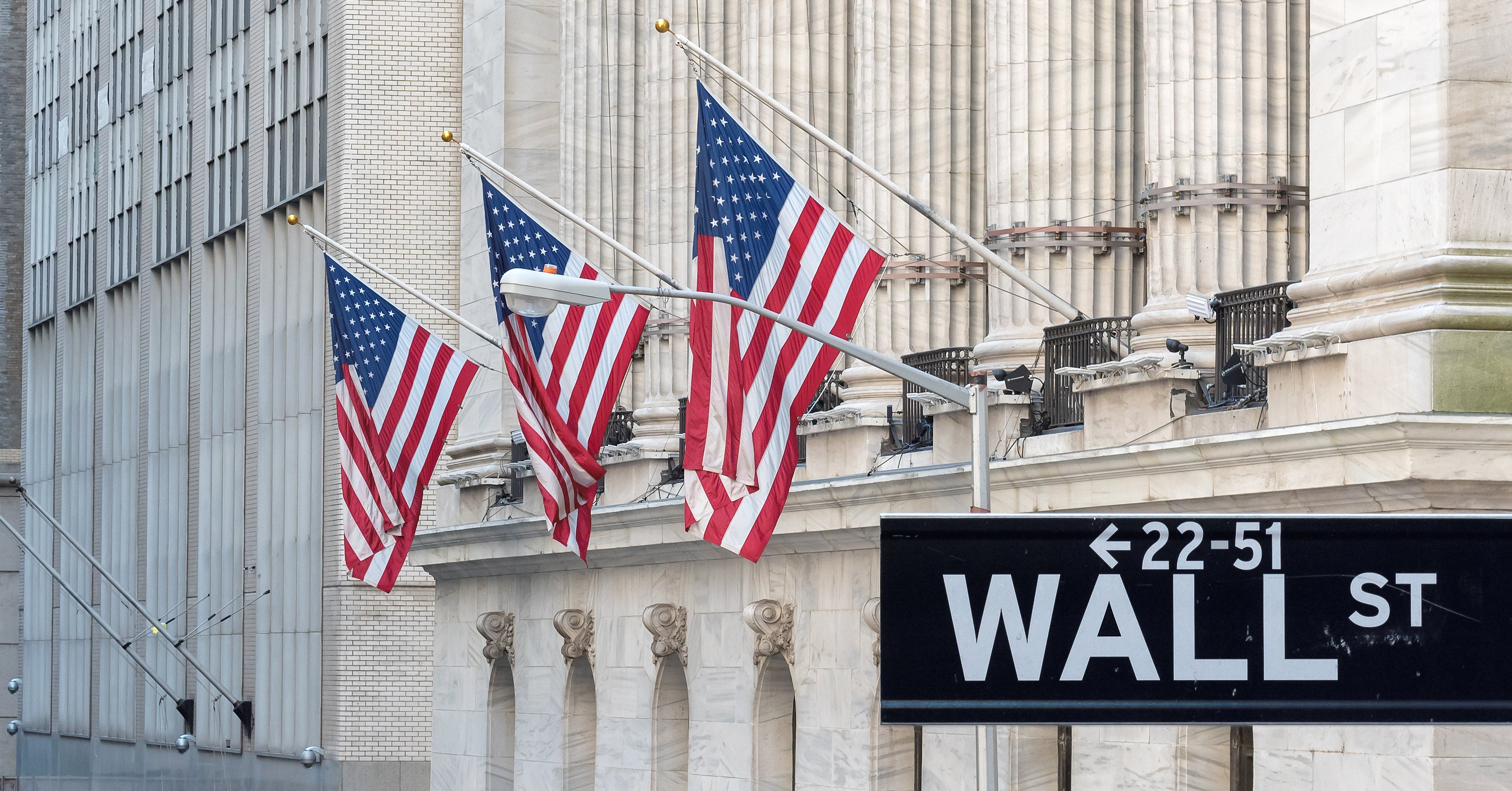
Wall Street will be closed on Thursday in observance of Juneteenth. Markets will reopen at normal hours on Friday.