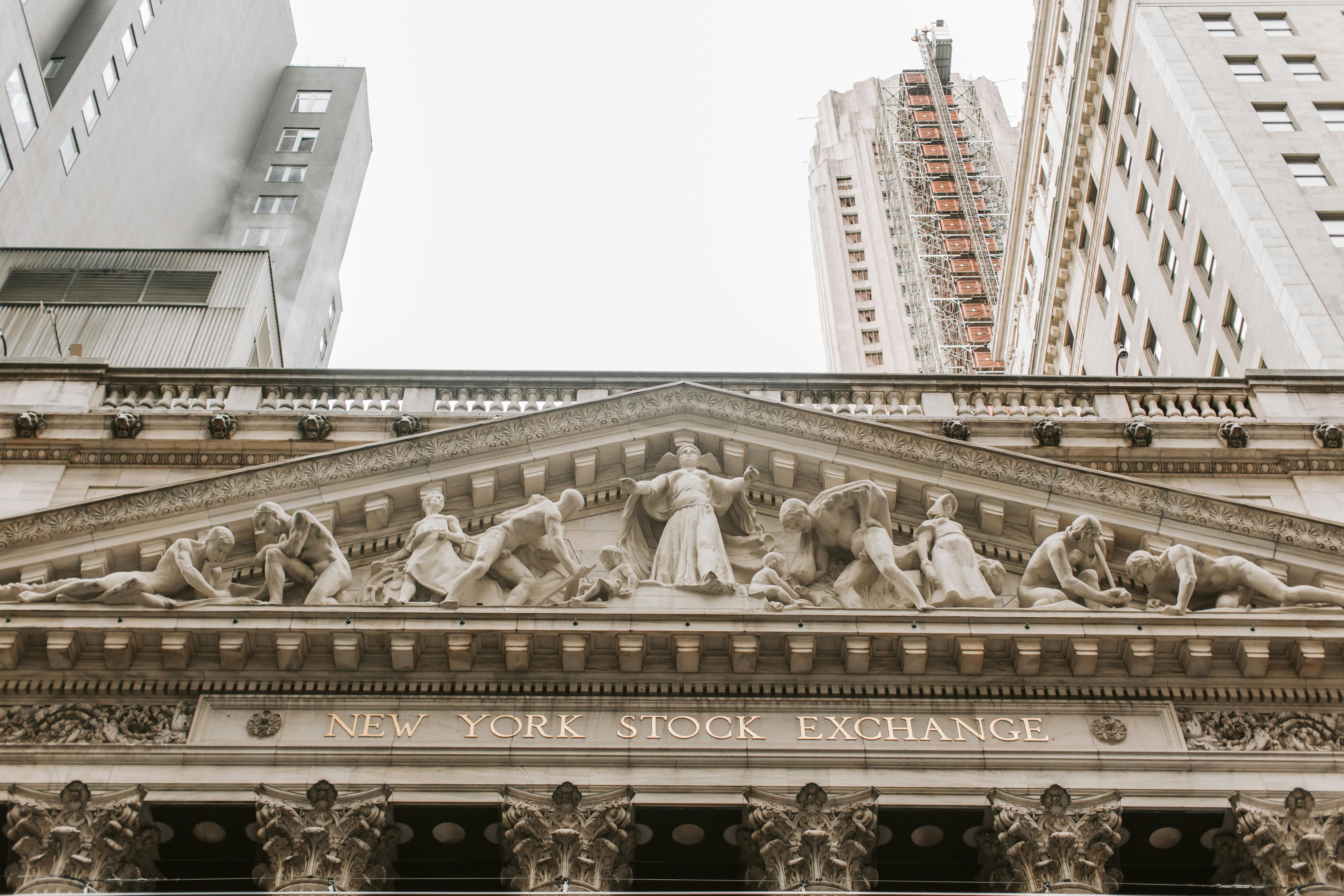



Stocks dipped lower Wednesday as investors digested a softer-than-expected inflation reading and news that trade representatives from the U.S. and China have reached another preliminary trade agreement.
The Dow Jones Industrial Average
The consumer price index rose by a less-than-expected 0.1% in May from April, the Bureau of Labor Statistics reported Wednesday, down from the previous monthly gain of 0.2% -- the rate that is generally accepted by economists to tame inflation towards the Federal Reserve's long-term goals. Core CPI, which excludes food and energy prices, also came in at a less-than-expected 0.1% for the month.
Trade officials from the United States and China agreed on a trade policy framework on Wednesday after two days of talks in London, with the deal calling for Beijing to allow exports of rare earth minerals if Washington rolls back restrictions on the sale of semiconductor technology to China. Trump wrote in a post on his social media platform Truth Social earlier on Wednesday that the deal with China is "done, subject to final approval with President Xi and me," adding that "WE ARE GETTING A TOTAL OF 55% TARIFFS, CHINA IS GETTING 10%."
On the corporate side, Nvidia
Huang said that the industry is "within reach" of being able to use quantum computers "in areas that can solve some interesting problems in the coming years." Huang's comments follow IBM's
Wall Street has been paying close attention towards trade discussions between the U.S. and China as recent economic data shows both job growth and inflation have slowed in May. More reports on inflation and consumer sentiment are due out this week, including the producer price index reading on Thursday and the University of Michigan's consumer survey due out on Friday.
This week's economic data is also the last policymakers will see before the next Federal Open Market Committee meeting on June 17-18. While market participants widely expect the central bank to hold interest rates steady for their next two meetings, the odds of a rate cut in September increased following Wednesday's CPI report -- markets are now pricing in a 70% chance the Fed will cut rates by at least 25 basis points, according to CME Group's FedWatch tool.
With that in focus, JPMorgan Chase CEO Jamie Dimon warned on Tuesday that the U.S. economy is still vulnerable to a recession in the coming months and that Wall Street's so-called soft landing is looking weaker moving forward, stating that "there's a chance real numbers will deteriorate soon," during a Morgan Stanley conference on Tuesday.
- Discussion between U.S. and Chineses officisla have been a key focus this week for investros who reamin on edge regarding trade policy.
- Officials reached a consensus after two days of talks in London
- but said that they will seek approval on the framework fro mthe U.S. and chianese presidnets before implementing it. As part of hte framework
- Chian would approve the exports of rare earth minerals while hte U.S. would roll back restictions on the sale of advacned tecnlogy to China.
- Een as the framework is being finalized
- Commer Secreaty Howeard Lutnick said Wednesday that U.S. tariffs on Chinese imorpts willn not change from their current levels.