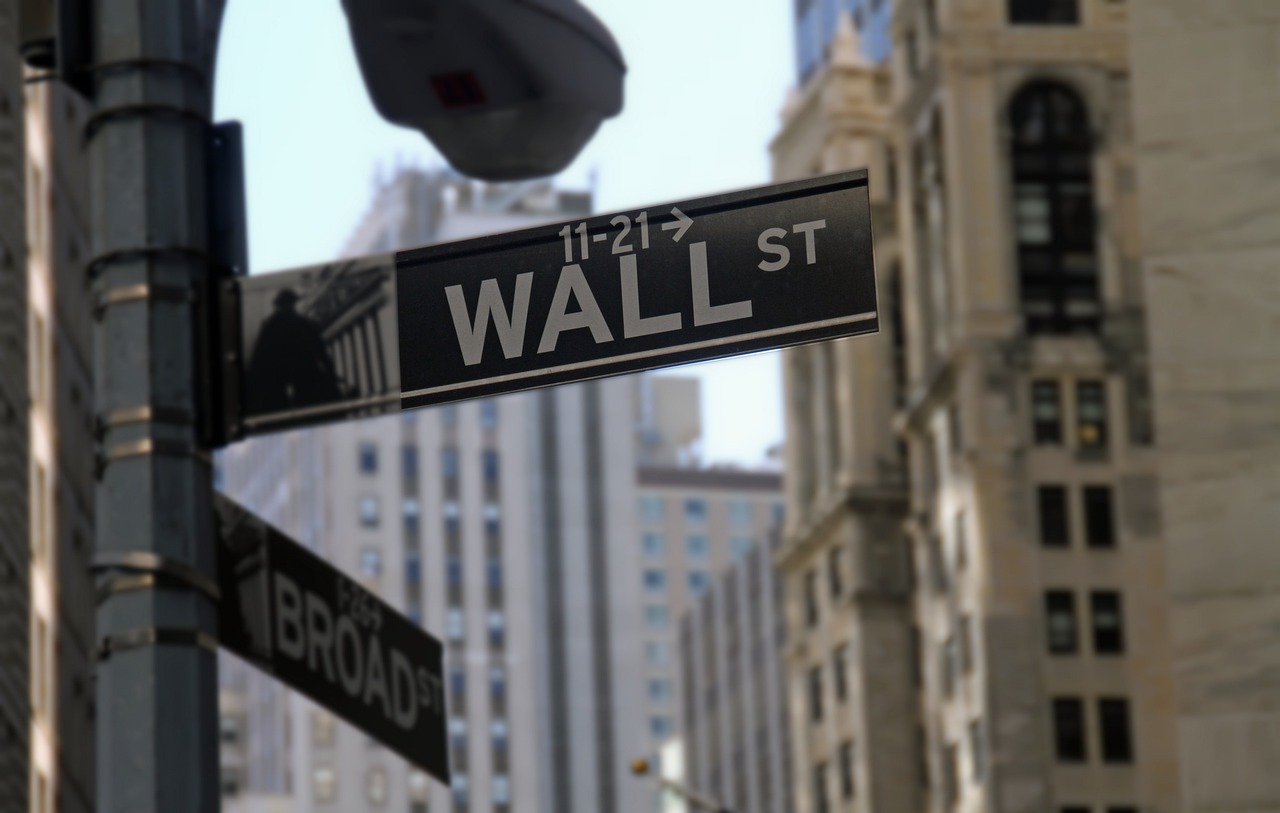


Stocks rose higher on Wednesday, with the broader market uplifted by Nvidia crossing the $4 trillion valuation milestone for the first time ever, as investors continued to weigh the latest trade policies from the Trump administration as Wall Street trades near record highs.
The Dow Jones Industrial Average
The semiconductor darling is the first public company to reach $4 trillion in market capitalization, as continued strength from the artificial intelligence industry also lifting other tech mega-caps such as Apple
On Wednesday, President Donald Trump sent out another series of letters to leaders of the Philippines, Brunei, Moldova, Algeria, Iraq and Libya imposing new tariff rates ranging from 20% to 30%. This actions comes after Trump posted letters to leaders of 14 other countries including South Korea and Japan with new tariff rates starting Aug. 1 earlier this week.
Trump on Tuesday also announced a 50% duty on copper imports and signaled that further sector-specific tariffs are imminent. The president also threatened to impose up to 200% tariffs on pharmaceutical imports, but said the White House will give drugmakers "about a year, year and a half" before those take effect.
Wall Street also turned its attention towards the meeting minutes from the Federal Open Market Committee's recent June policy meeting Wednesday afternoon. The minutes showed that policymakers largely agreed that the central bank should maintain its wait-and-see stance when it comes to interest rate cuts, but most favored "some reduction in the target range for the federal funds rate this year."
"Participants agreed that although uncertainty about inflation and the economic outlook had decreased, it remained appropriate to take a careful approach in adjusting monetary policy," the minutes read, further noting that policymakers "might face difficult tradeoffs if elevated inflation proved to be more persistent while the outlook for employment weakend."
Earlier on Wednesday, analysts at Piper Sandler made the case for the Fed to lower rates this year, a position that many futures traders expect to begin at the central bank's upcoming September meeting, according to CME Group's FedWatch tool.
"Just because the overall economy and market, which is increasingly a reflection of the largest businesses and wealthiest consumers, appears to be chugging along doesn't mean that lower rates aren't warranted," the analysts wrote on Wednesday. "The scar tissue from 2022's inflation shock has left policy makers and investors overly concerned that lower rates could cause another resurange of inflation. This is recency bias at its best, we are not in the COVID backdrop any longer and tariffs as an inflation risk akin to the 2022 experience is exaggerated."
Looking ahead, market participants will continue to trade cautiously ahead of key decisions in the coming weeks: the Fed's next policy meeting July 29-30 and the Trump administration's "Liberation Day" tariff deadline of Aug. 1.