



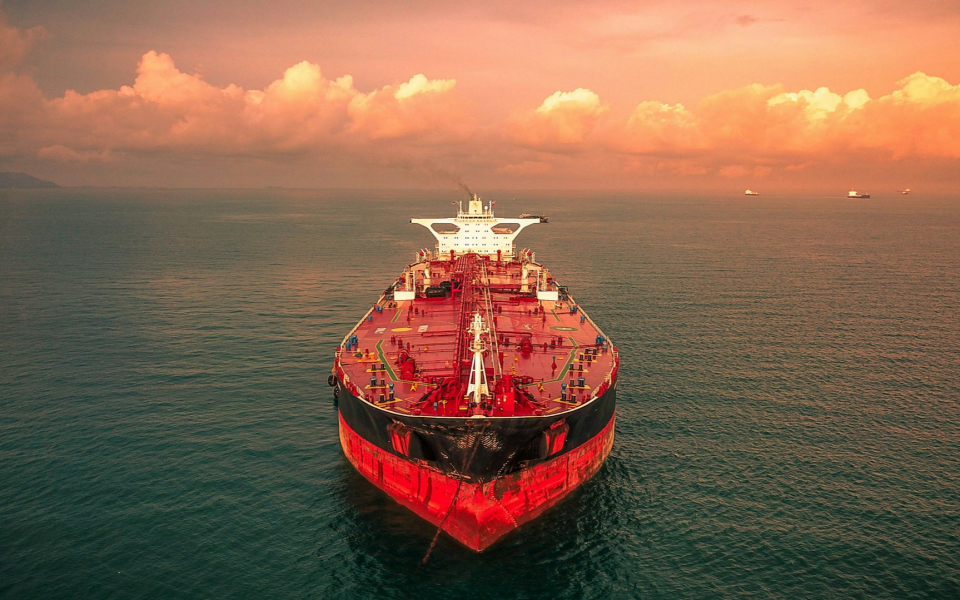
The ongoing war in the Middle East has triggered a historic disruption in global energy markets, acting as a massive financial burden on fuel-importing nations and threatening to derail fragile economic recoveries worldwide.
The Asymmetric Shock
The International Monetary Fund (IMF) warns that the conflict's economic fallout is sweeping but highly uneven. The de facto closure of the Strait of Hormuz-a critical artery for 25% to 30% of global oil and 20% of liquefied natural gas-has severely restricted supply.
According to the IMF, for fuel-importing economies, the immediate effect is "that of a large, sudden tax on income."
While some energy exporters may see improved fiscal positions, importers in Asia, Europe, and Africa face soaring costs.
Large manufacturing hubs are experiencing squeezed purchasing power, and European nations reliant on gas-fired power face a revived risk of a 2021-style energy crisis. Poorer countries and those with meager financial buffers are significantly more exposed than wealthier nations.
Beyond energy, the conflict is fracturing critical global supply chains. The rerouting of commercial vessels has spiked freight and insurance costs, while disruptions to fertilizer shipments from the Gulf threaten agricultural yields globally.
The IMF cautions that regardless of the war's trajectory, the macroeconomic consequences are severe. "Although the war could shape the global economy in different ways, all roads lead to higher prices and slower growth," the institution noted.
Sustained spikes in energy and food costs risk fueling persistent worldwide inflation, testing the resilience of markets that had only recently stabilized.
Protecting The Vulnerable
The heaviest burden of this crisis falls on low-income countries, where food accounts for roughly 36% of average consumption. The IMF warns that price spikes in these necessities have escalated from a purely economic issue to an acute socio-political crisis.
With global debt levels already at record highs, many nations lack the fiscal space to absorb the shock.
In response, the IMF is expanding its financial and policy assistance, IMF's Managing Director, Kristalina Georgieva stated, "In an uncertain world, more countries are needing more of our support. We are there for them."
Crude Markets Soar
Energy markets have also reacted violently to the prolonged military timeline. The United States Oil Fund
Meanwhile, while the United States Brent Oil Fund