


Apple Inc's
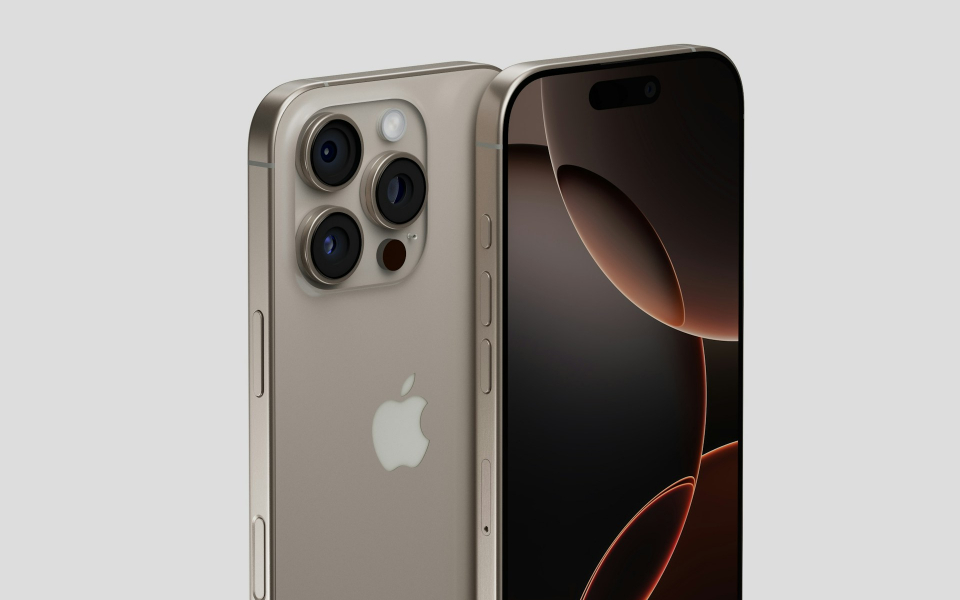
That shift makes this launch unusually consequential. Rather than relying on a broad portfolio to drive volumes during the holiday quarter, Apple will depend disproportionately on premium devices. The strategy could lift average selling prices and margins, but it also hinges on convincing buyers who would normally choose a lower-priced model to trade up instead of waiting several months.
The timing raises the stakes further because this will be the first major product launch under Ternus after Tim Cook's move to executive chairman. While Apple's product roadmap has been years in the making, investors will inevitably view the event as the new CEO's first test of execution.
The Upsell Strategy
JPMorgan argues that the company's confidence is not without precedent. Premium iPhones have steadily become a larger share of Apple's shipments, with Pro models accounting for roughly 37% of shipments in 2020 compared with about 65% in 2025. The firm expects that trend to continue in 2026.
Analysts also point to structural changes that have made premium devices more affordable for consumers. Trade-ins, installment plans, carrier promotions and Apple's financing programs have reduced the upfront cost of flagship iPhones, while the company is expected to further emphasize leasing options through its Klarna partnership.
Still, this cycle introduces a new variable. JPMorgan expects Apple to raise U.S. prices for the Pro and Pro Max models by about $100 to help offset higher component costs. That means the company must persuade customers not only to buy a premium device, but to pay more for it.
The Real Test Comes Later
The event itself is unlikely to answer whether Apple's premium-first strategy is working. JPMorgan expects supply constraints affecting processors and memory to make early delivery times a less reliable indicator of demand than in previous years.
Instead, investors are likely to pay closer attention to supply chain production revisions later in the quarter, when Apple has a clearer picture of whether consumers embraced the higher-priced lineup or chose to wait for the delayed mainstream models.
For investors, that makes this launch less about the unveiling of new devices and more about validating Apple's long-term pricing strategy. If customers continue migrating toward premium iPhones despite higher prices and fewer choices, Apple will strengthen the case that its future growth depends less on selling more phones and more on selling more valuable ones.
If that assumption proves wrong, the company's decision to postpone its mainstream lineup could become the defining risk of Ternus's first major product cycle.