



The man who built Uber Technologies Inc.
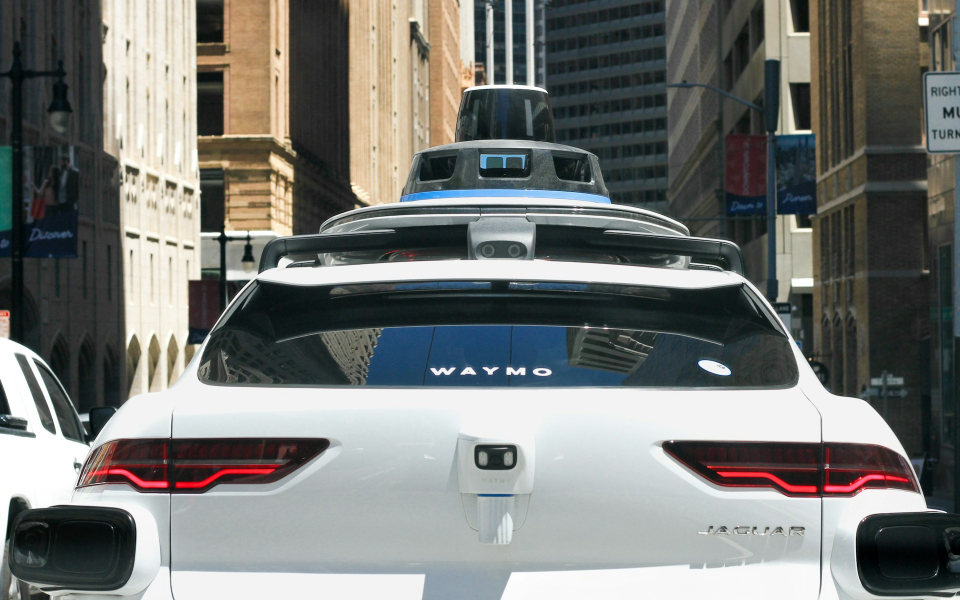
Travis Kalanick told the All-In Summit in Austin this week that Waymo is "obviously ahead" and called it "the existence proof" that autonomous driving works, but he flagged a weakness that should matter to GOOGL investors: "Their issue is manufacturing and scale and urgency and fierceness."
On Tesla Inc.
Kalanick said the whole thing comes down to timing. He's waiting for what he called "the ChatGPT moment for vision," a single breakthrough that makes the approach click at scale. "Could happen tomorrow, could happen in 5 years."
He dismissed everyone else: "There's a lot of other little guys that don't really have the stuff yet."
What Prediction Markets Say
On Polymarket, a contract asking whether Tesla will launch robotaxis in California by June 30 is at just 13%.
Musk said in January he expected Tesla's robotaxi service to be "very, very widespread" across the U.S. by end of 2026, but Tesla has logged zero autonomous test miles on California roads since 2019 and still lacks the permits needed to go driverless in the state.
Polymarket has a market tracking which cities Waymo will operate in by June 30. The 12-or-more outcome leads at 36%.
Waymo is already running about 2,500 vehicles across 10 U.S. cities, logging over 400,000 driverless rides per week and targeting 1 million by year-end. That's the scale gap Kalanick is pointing at.
Kalanick Is Getting Back In
Kalanick used the Summit to unveil his new company Atoms, formerly the stealth operation known as City Storage Systems.
Kalanick framed Atoms around a simple analogy. In a traditional computer, a CPU processes data, storage holds it, and a network moves it. Atoms does the same thing but for the physical world. Manufacturing processes physical goods, real estate stores them, logistics moves them.
The company's first product was a food operation, kitchen infrastructure and delivery across 30 countries.
Now he's expanding into autonomous mining through the pending acquisition of Pronto, and building a wheelbase platform for specialized robots.
Separately, The Information reported last week that Kalanick is also building a self-driving venture with major Uber backing and wants to be "more aggressive" than Waymo in rolling out autonomous technology.