


Snap Inc.
Nvidia Meets Physical AI
Snap announced partnerships with Nvidia, Salesforce, Inc.
That is where the Nvidia connection becomes more interesting than a simple technology partnership.
Nvidia's XR AI framework is designed to combine live camera and microphone inputs with AI models, enterprise tools and agent orchestration across cloud, data-center, workstation and edge environments.
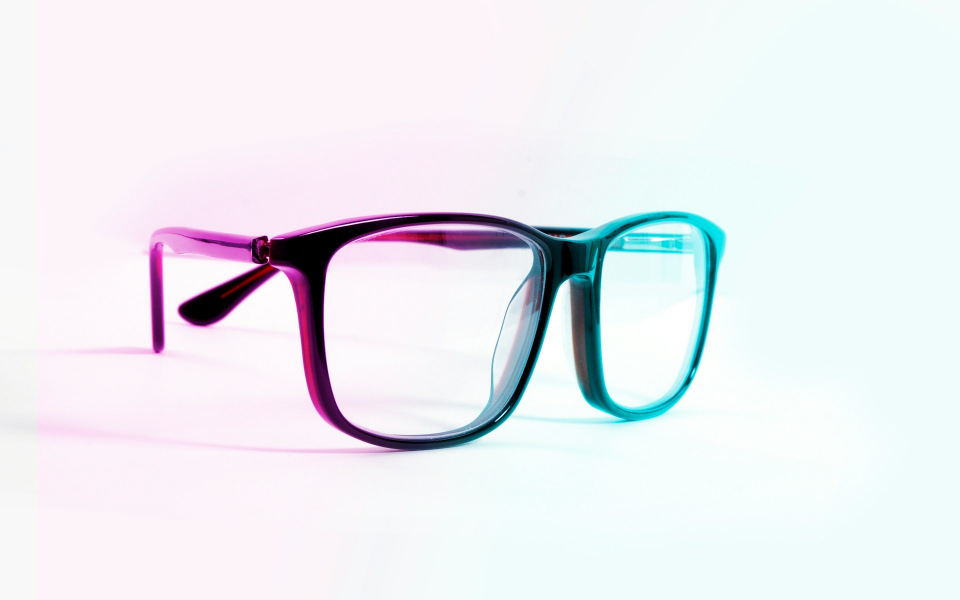
In other words, it is built for AI that can perceive what is happening around a user and respond to it. SPECS gives that architecture a physical interface.
From Chatbots to AI Agents
Snap's enterprise examples show where the opportunity could develop. Salesforce's Agentforce can help workers identify objects, retrieve information and update workflows through the glasses, while AWS is connecting its AI assistant to tasks such as checking inventory. Trifork and Hololight are developing applications for remote technical support and spatial workstations.
For Nvidia, the significance is not necessarily how many SPECS Snap sells. It is whether AR glasses become another endpoint where AI agents need continuous visual understanding and inference.
Nvidia has already been pushing that broader thesis. Its XR AI platform is designed for agents that can process video, audio and spatial context, reason about the next action and interact with enterprise software.
SPECS could therefore become an early test of that vision outside the traditional data center.
The Bigger AI Bet
Snap has priced SPECS at $2,195, with shipping expected later this fall in the U.S., U.K. and France. The company is also introducing SPECS Intelligence, an anticipatory AI service designed to understand users' goals, routines and priorities across iPhone, Mac and the glasses.
That gives Snap a much bigger ambition than selling hardware. CEO Evan Spiegel has described SPECS as a computer that puts computing into the world rather than asking people to look down at a screen.
For Nvidia investors, the key question is whether that vision catches on across enterprise environments. If it does, glasses could represent another class of AI endpoint - and another reason the AI infrastructure story may eventually extend well beyond data centers.