



As the AI buildout expands, investors aren't just looking at Nvidia Corp
Bank of America estimates the so-called AI data-center systems market could reach $1.7 trillion by 2030. This implies a 45% compound annual growth rate. The bank also expects data-center capacity to double to 200 gigawatts by 2030, supported by roughly $7 trillion in capital investment.
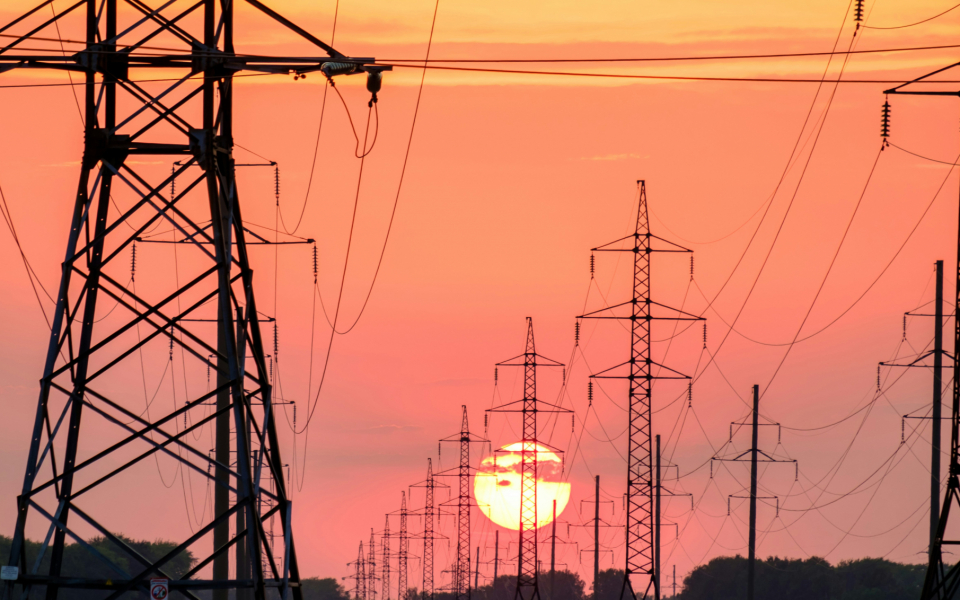
However, power, labor and supply chains determine how quickly the AI buildout progresses, and U.S. data-center demand could leave utilities facing a more than 100-GW generation shortfall through 2030.
That puts First Trust Nasdaq Clean Edge Smart Grid Infrastructure ETF
GRID Portfolio: A Who's Who of the AI Power Buildout
Quanta Services
For broader exposure, the Global X U.S. Infrastructure Development ETF (BATS:PAVE) holds 100 companies across infrastructure-related industries. ETN and PWR are among its top ten largest holdings. The $13.76-billion fund has also gained ground recently, with 2.23% gains over the past five days.
Meanwhile, iShares U.S. Infrastructure ETF (BATS:IFRA) provides another route, combining infrastructure enablers with asset owners. Caterpillar Inc
Caterpillar itself reported a 24% jump in second-quarter revenue to $20.5 billion, with Power & Energy sales rising 17%; the company specifically cited higher sales of power-generation equipment in data-center applications.
AI's next bottleneck may not be computing power - it may be the physical power needed to run it. And that could make infrastructure ETFs an increasingly important way to play the AI super-cycle without betting on a handful of mega-cap technology stocks.