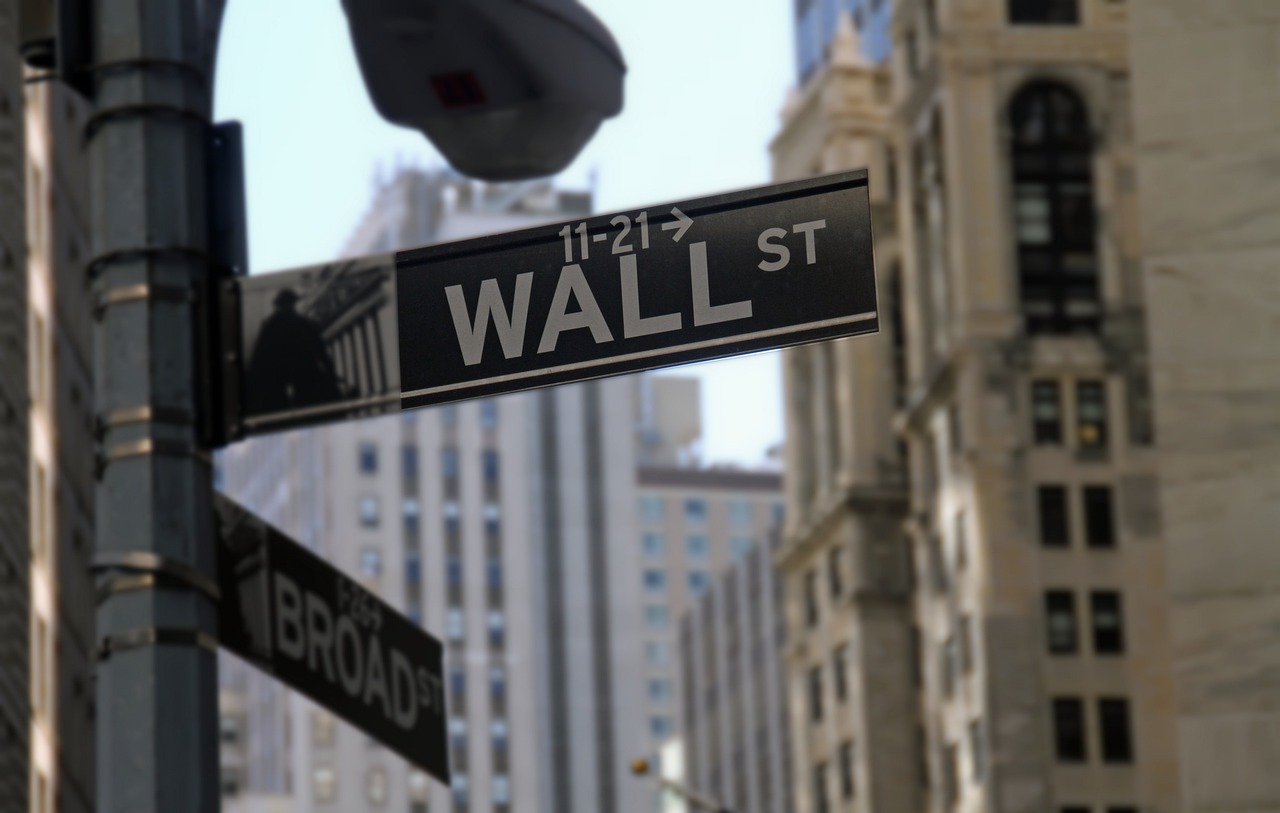



Stocks ticked higher Tuesday as trade talks between the United States and China entered their second day, with market sentiment growing more optimistic the two global superpowers can reach an agreement. U.S. Commerce Secretary Howard Lutnick told reports Tuesday that the discussions are "going well" and that he expects them to run for the rest of the day.
The Dow Jones Industrial Average
Wall Street remains cautious as the S&P 500 is currently less than 3% from it's all-time high. Investors are hopeful that Beijing and Washington can reach a deal that does not involve introducing more tariffs on one another, with any sign of trade progress expected to drive the broader market higher.
The second round of U.S.-China trade talks followed a surprise phone call between President Donald Trump and President Xi Jinping last week -- with the two leaders of the largest world economies meeting at a crucial time for both nations.
Trump's tariffs have widely dampened U.S. business and consumer confidence in recent weeks and have impacted the strength of Treasury bonds and the dollar. Meanwhile, China's economy continues to face deflationary pressure from cooling factory activity in response to the tariffs.
U.S. small-business confidence increased in May, the National Federation of Independent Business (NFIB) reported Tuesday, as sentiment rose for the first time since December on the initial de-escalation in trade tensions between Beijing and Washington. The NFIB's headline optimism index rose by three points to 98.9 last month, as the share of businesses expected higher inflation-adjusted sales volumes increased by 11 points to 10%.
"Congress hasn't passed the big beautiful bill yet, and Trump is still messing with tariffs, the uncertainty level is rising," said Bill Dunkelberg, chief economist at NFIB, in a statement. "While tariffs might be a bumpy road while countries negotiate trade deals, Congress can do their part by passing the BBB sooner rather than later to take that piece of uncertainty off the table."
The World Bank slashed its global economic growth outlooks on Tuesday, citing disruptions to trade as the main driver behind the new projections. The international financial institution now expects the global economy to expand by 2.3% in 2025, compared to its prior forecast of 2.87%, which would "mark the slowest rate of global growth since 2008," according to the Global Economic Prospects report.
The Bank also cut its U.S. growth forecast by 0.9 percentage points to 1.4%.
"International discord -- about trade, in particular -- has upended many of the policy certainties that helped shrink extreme poverty and expand prosperity after the end of World War II," Indermit Gill, senior vice president and chief economist of The World Bank Group, said in the report, adding that growth could improve if major economies reach lasting trade agreements.
On the corporate side, IBM
"Unlocking the full promise of quantum computing will require a device capable of running larger, deeper circuits with hundreds of millions of gates operating on hundreds of qubits, at least," the company said in a blog post. "More than that, it will require a device capable of correcting errors and preventing them from spreading throughout the system."
Under its bird themed timeline, IBM will build the Quantum Loon chip, followed by the Quantum Kookaburra processor in 2026 and Quantum Cockatoo adapter in 2027. The company's Quantum Nighthawk processor, which is set to release later this year, will replace its Quantum Heron, according to the blog post. IBM said Nighthawk can currently run quantum circuits with 5,000 gates, and plans to increase that to 15,000 gates by 2028.
Vaccine names such as Moderna
In an opinion piece published by The Wall Street Journal, RFK Jr. said he would remove all 17 members of the Advisory Committee on Immunization Practices, which advises the U.S. Centers for Disease Control and Prevention, claiming that the current ACIP has been "plagued with persistent conflicts of interest and has become little more than a rubber stamp for any vaccine."
The potential impact on vaccine manufacturers remains unclear, but this decision introduces more uncertainty into the public health sector and its regulatory processes. All HHS agencies and their advisory panels have regulations in place to prevent conflicts of interest. The HHS said the ACIP will still hold its planned meeting on June 25-27, but the agency did not provide a timeline for the appointment of new advisory members.
Looking ahead, all eyes will be on May's consumer price index reading due out Wednesday morning to assess the initial inflationary impact of Trump's tariffs on the U.S. economy.