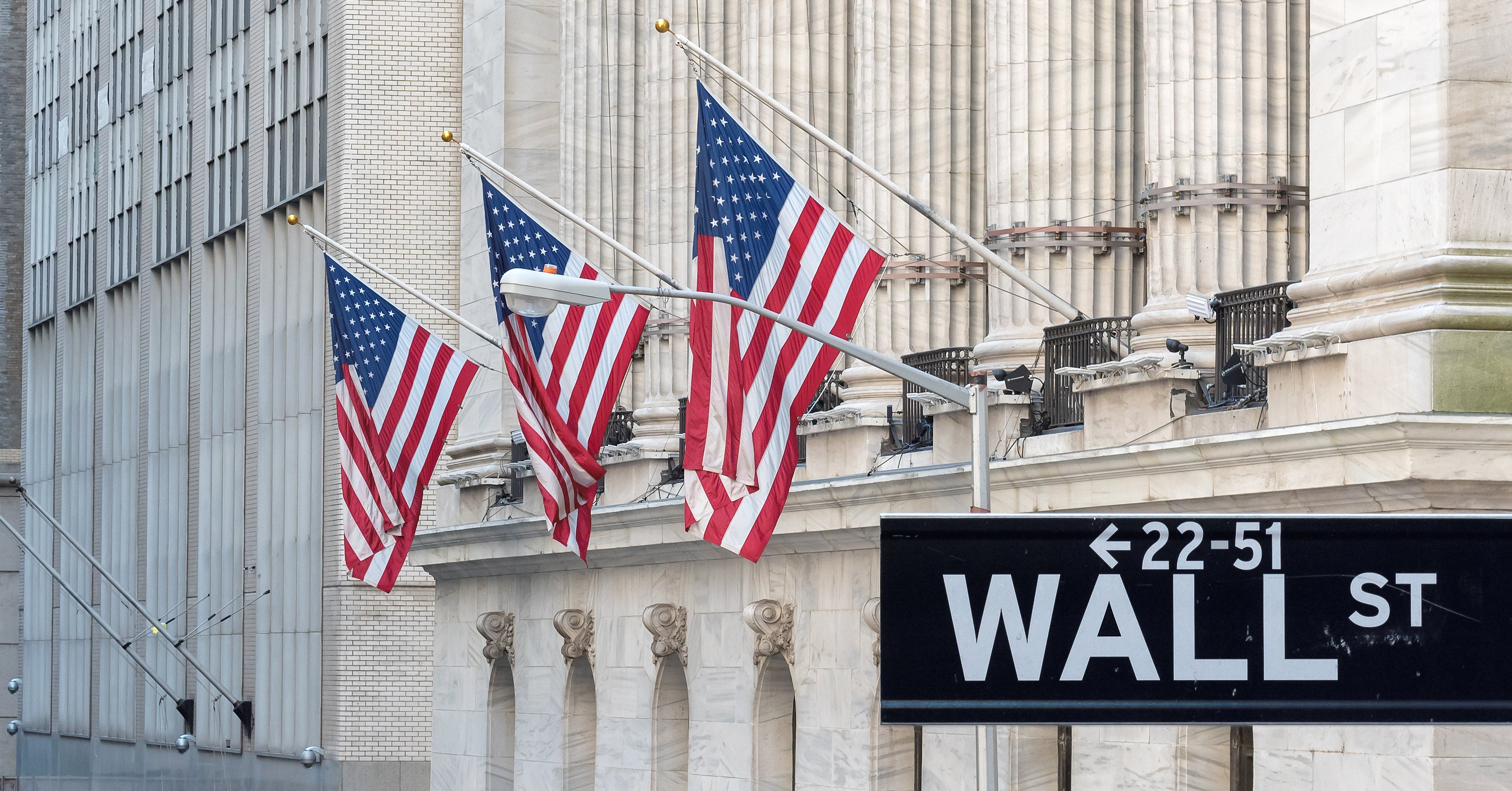




The Dow Jones Industrial Average fell on Wednesday, snapping a four-day winning streak, as hiring slowed to its lowest level in more than two years in May, adding to present anxieties surrounding the impacts of the White House's trade policies.
The Dow
On Wednesday, payrolls processing firm ADP reported the private sector added just 37,000 new positions in May, well below April's downwardly revised print of 60,000 and the 110,000 expected by economists polled by Dow Jones. The reading was also the lowest monthly jobs total from ADP since March 2023.
The report comes two days ahead of the Labor Department's nonfarm payroll numbers for the month, which is expected to show a gain of 125,000 and the unemployment rate remaining unchanged at 4.2%. The labor market has seen mixed readings in recent weeks, with the Bureau of Labor Statistics' job openings reading topping expectations in April on Tuesday, making the overall health of the vital economic pillar unclear.
Shortly after the report was released, President Donald Trump called on Federal Reserve Chair Jerome Powell to lower interest rates again in a post to his social media platform Truth Social, added that the U.S. should follow the European Union's lead as the 27-nation bloc has lowered its interest rates "NINE TIMES!"
The president's urging to lower interest rates comes as the Fed reports the U.S. economy has contracted over the past six weeks as consumers and businesses alike grew more concerned over tariff-induced inflation, the central bank's "Beige Book" summary of conditions showed Wednesday.
"All Districts reported elevated levels of economic and policy uncertainty, which have led to hesitancy and a cautious approach to business and household decisions," the report said, adding that all districts also "indicated that higher tariff rates were putting upward pressure on costs and prices."
The U.S. services sector unexpectedly contracted in May as businesses grew cautious amid the macroeconomic backdrop of slowing growth and inflation, the Institute for Supply Management reported Wednesday. The headline services index fell to 49.9 on the month, coming in below consensus estimates and April's slightly expansionary reading of 51.6%.
Wall Street has been looking for direction in recent sessions as traders hope that the worst of the Trump administration's tariff policies may be behind them as the nation reached tentative deals with China and the European Union. However, all the positive progress made has yet to end the chaotic policy enactments and reversals from Trump as he continues to use tariffs as a means of negotiation.
Trump's 50% tariffs on steel and aluminum imports took effect on Wednesday, cementing his promise to U.S. steelworkers to double the levies announced last Friday into law late Tuesday. According to the executive order, the tariffs "will more effectively counter foreign countries that continue to offload low-priced, excess steel and aluminum" into the U.S.
On the earnings front, CrowdStrike
Elsewhere, Wells Fargo
Morgan Stanley reiterated its Overweight rating on the stock and raised its price target from $77 to $87, expecting the end of the asset cap to "spur a multi-year period of growth as Wells seeks to regain its 2.2% points of lost market share in U.S. deposits and 3.3% points of market share in loans since 2017," analyst Betsy Graseck wrote in a Wednesday note. Bank of America analyst Ebrahim H. Poonawala also reiterated the firm's Buy rating on Wells Fargo and raised its price tarte to $90 from $83, seeing "potential for a new pool of investors who had been fatigued by the regulatory overhang to step-in given WFC's idiosyncratic growth story, room for efficiency gains in the consumer bank and potential for capital relief."
Market participants will turn their attention towards more labor market news on Thursday as they look ahead towards May's "official" jobs report due out Friday morning.