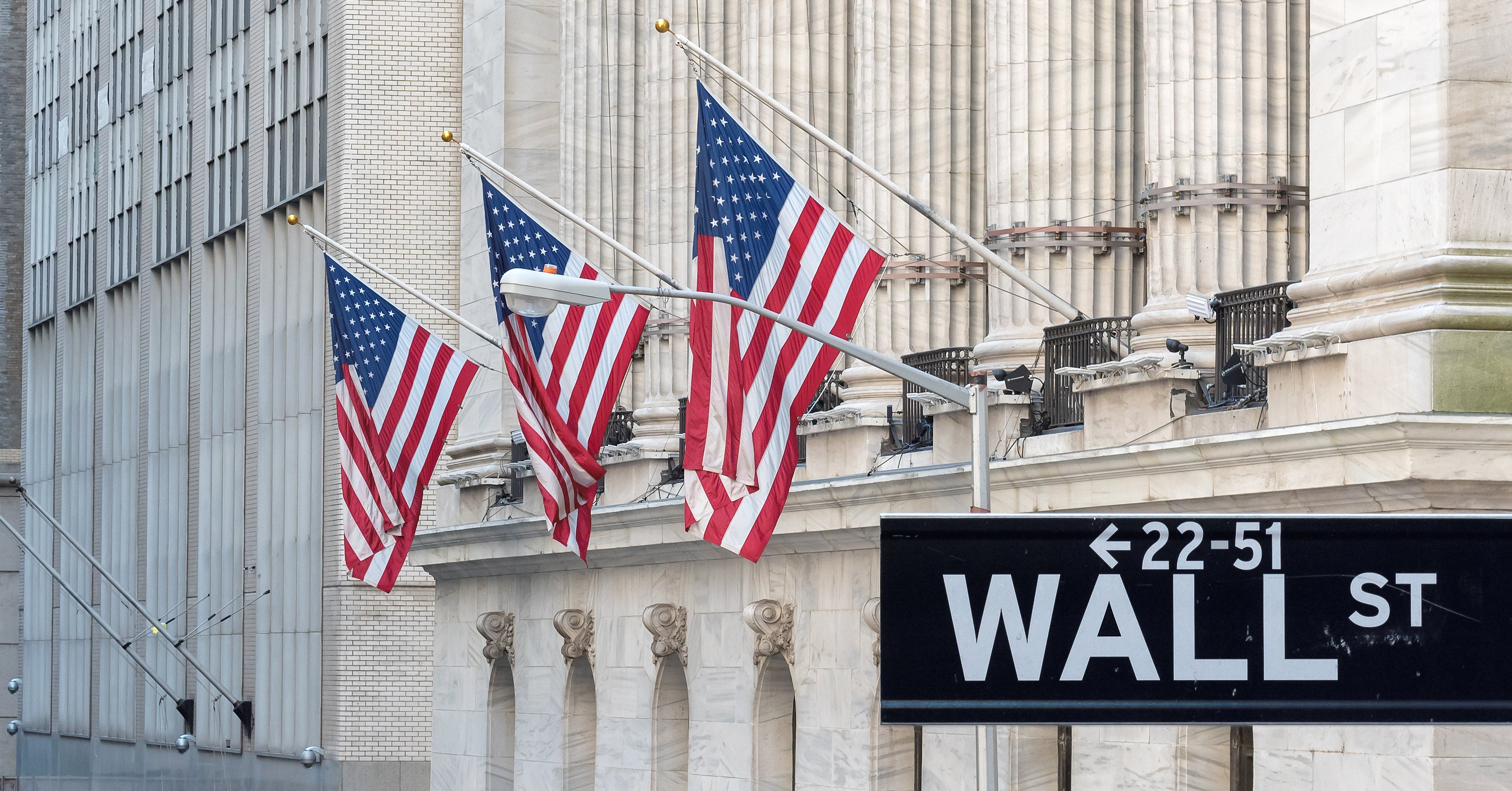



The broader market started June with slight gains even as global trade tensions dimmed market sentiment again on Monday. Traders are coming off of a bullish May that was boosted by enthusiasm from early trade negotiations, but that optimism has been tested in recent sessions as talks between the United States and China show signs they may be moving in the wrong direction.
The Dow Jones Industrial Average
China on Monday pushed back against President Donald Trump's recent claims that Beijing had violated the temporary trade agreement reached between the two nations last month, accusing Washington of failing uphold its end of the deal by introducing new trade restrictions on AI chips.
"If the U.S. insists on its own way and continues to damage China's interests, China will continue to take resolute and forceful measures to safeguard its legitimate rights and interests," the Chinese Ministry of Commerce said in a statement.
Trump also reignited tensions between the U.S. and European Union over the weekend after he announced his administration would double tariffs on steel to 50%, with the E.U. warning Washington this decision "undermines" current negotiations. A spokesperson for the 27-member alliance said Trump's trade policy also "adds further uncertainty to the global economy and increases costs for consumers and businesses on both sides of the Atlantic."
U.S. steel stocks like Cleveland-Cliffs
Wall Street is coming off of a winning month for May, with the S&P 500 climbing over 6% to deliver its best monthly performance since November 2023. The Nasdaq Composite also soared nearly 10% as growth-stock optimism reentered the market after the Trump administration reached early trade deals with key partners like China and the E.U., and the Dow added about 4% for the month.
That positive momentum, however, is deteriorating as investors look for more signs that the worst of tariff uncertainty is behind them, only to be met with more uncertainty. JPMorgan strategist Mislav Matejka wrote in a research note that all the negative effects for Trump's trade policies have yet to be felt across the U.S. economy.
"We look for softer activity over the next months, but also higher inflation prints in the U.S.," Matejka wrote. "Past frontloading of orders in the runup to tariffs is likely to have a payback, there will be some weakening in consumer due to squeeze in purchasing power, and even with dramatic backpedaling, the current tariffs picture is worse than most thought at the start of the year."
In economic news, U.S. Factory Activity continued to contract in May as inventories, imports and new export orders all saw significant declines while order backlogs and new orders rose. The ISM manufacturing index came in at 48.5% for the month, coming in-line with economist expectations but posting a 0.2 percentage point decline from April; the index follows the percentage of companies reporting expansion in activity for the month.
"Imports continue to contract as demand has reduced the need to maintain import levels from previous months, as well as due to the impact of tariff pricing," Susan Spence, chair of the ISM Manufacturing Business Survey Committee, said in a release.
Looking ahead, much of the market's attention will be focused on May's jobs report due out on Friday as investors look for more clarity on the health of the U.S. labor market amid the tariff pressures on businesses.