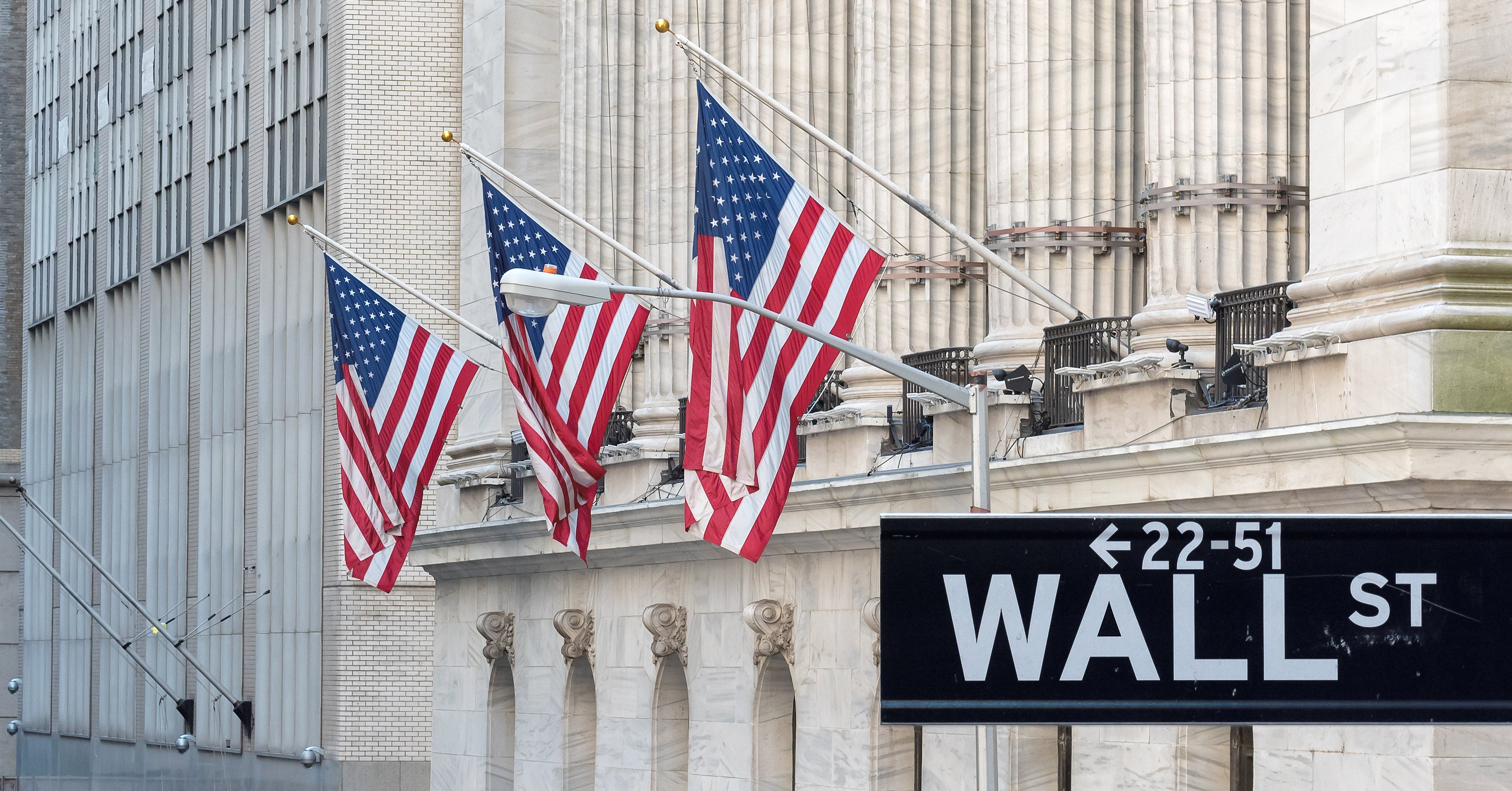



Stocks fell Friday after Israel launched a series of airstrikes on Iran, sending energy prices higher and adding fuel to already raised geopotential tensions.
The Dow Jones Industrial Average
Wall Street's recent winning streak came under pressure on Friday as Israel launched a series of air strikes on Iran early Friday, targeting multiple locations and increasing investor worries that the conflict could escalate. The Iranian state reported that Mohammad Hossein Bagheri, the nation's most senior military official, and Hossein Salami, head of Iran's Islamic Revolutionary Guard Corps, were killed in the attack.
President Donald Trump added to the complication geopolitical situation on Friday, calling for Iran to come to the negotiating table in a post on his social media platform Truth Social.
"There has already been great death and destruction, but there is still time to make this slaughter, with the next already planned attacks being even more brutal, come to an end. Iran must make a deal, before there is nothing left, and save what was once known as the Iranian Empire," Trump wrote early Friday. "No more death, no more destruction, JUST DO IT, BEFORE IT IS TOO LATE."
U.S. defense stocks such as Lockheed Martin
On the economic front, consumers grew more optimistic towards the state of the U.S. economy in early June, the University of Michigan reported Friday, as Americans were encouraged by initial trade progress between major partner nations. Headline consumer sentiment increased 15.9% from May's final print to 60.5 in June's preliminary reading, well above the Dow Jones estimates for 54.
"Consumer sentiment improved for the first time in six months, climbing 16% from last month but remaining about 20% below December 2024, when sentiment had exhibited a post-election bump," said Joanne Hsu, director of the Surveys of Consumers, in a statement. "Consumers appear to have settled somewhat from the shock of the extremely high tariffs announced in April and the policy volatility seen in the weeks that followed. However, consumers still perceive wide-ranging downside risks to the economy."
"Their views of business conditions, personal finances, buying conditions for big ticket items, labor markets, and stock markets all remain well below six months ago in December 2024," Hsu added.
On the corporate side, shares of credit card issuers including Visa