

Hilton Worldwide Holdings Inc.
What Is A C-Shaped Economy?
The term is Nassetta's play on the widely discussed K-shaped economy - a split in which high-earners pull ahead while lower-income consumers fall behind. Nassetta said macro forces, including falling inflation, expectations of lower interest rates and heavy AI investment, are "benefiting the middle and lower income consumer and driving broader demand growth."
He acknowledged the Iran war's energy price spike but said investors should "forget, for the moment, the spike in energy prices and oil because of the war" when assessing these broader structural trends.
The K-shaped divide has been a persistent theme across corporate America. PepsiCo Inc.
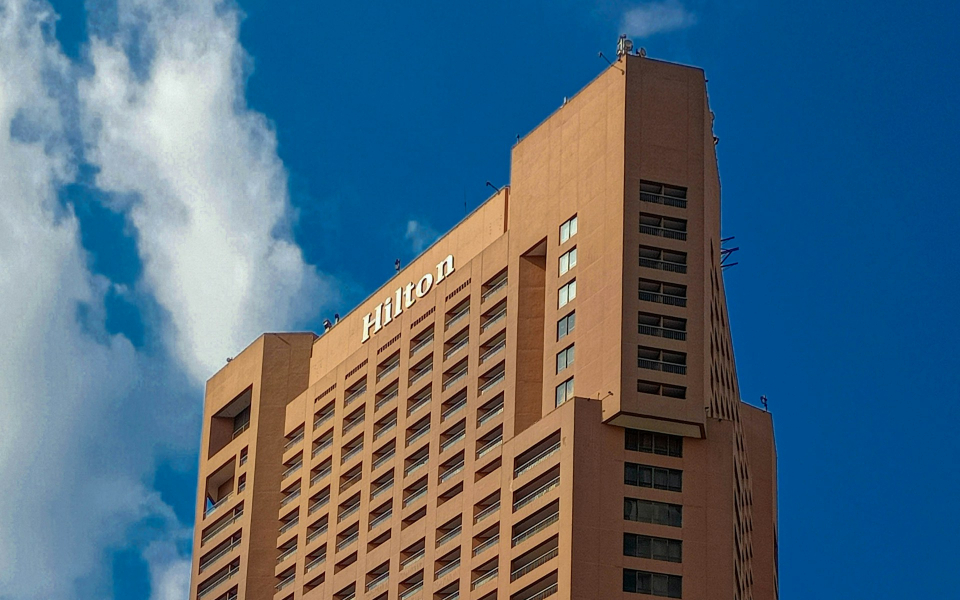
Hilton reported higher first-quarter earnings, with RevPAR up 3.6%, net income rising to $383 million, and adjusted EBITDA increasing to $901 million. The company raised its full-year outlook and expects continued growth in revenue and profitability, along with $3.5 billion in shareholder returns.
Broader Economy Still Sending Mixed Signals
Not everyone shares Nassetta's optimism. Treasury Secretary Scott Bessent warned that current-quarter GDP growth may be "slower than it was,"citing the economic drag from the Iran war. Economist Mark Zandi of Moody's Analytics cautioned that real consumer spending growth has been running at "barely 1% annualized," with the personal saving rate falling to around 4%.
The optimism from Hilton's corner suite stands in contrast to the broader national mood. A record 55% of Americans now say their finances are getting worse, the highest share since Gallup began tracking the question in 2001, surpassing even the pessimism seen during the COVID-19 pandemic and the Great Recession. Energy costs have surged as the second biggest financial worry for households, jumping 10 percentage points from last year to 13%, the highest reading since 2008.