



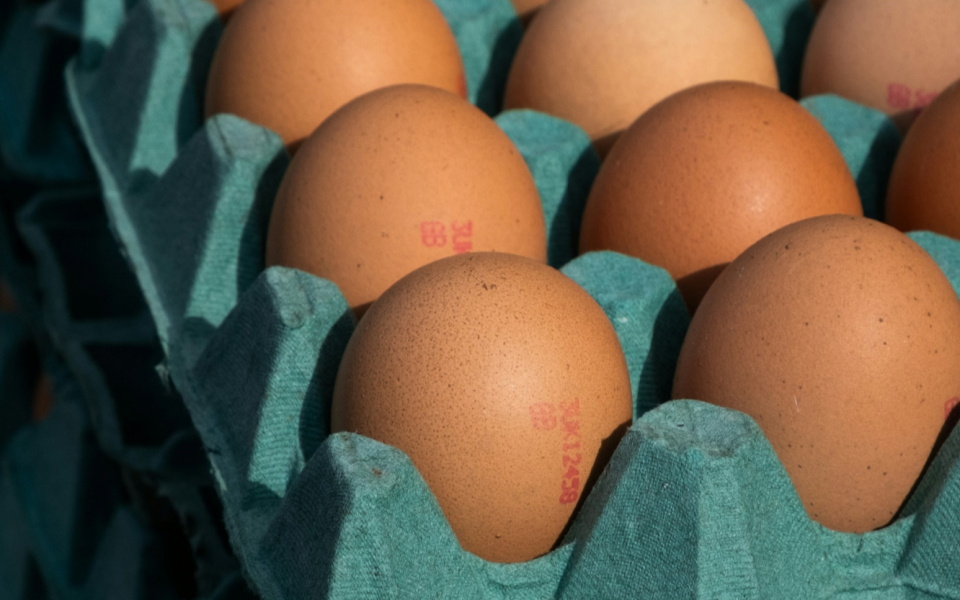
One of America's biggest inflation stories has quietly reversed. Wholesale egg prices have fallen back to levels not seen since before the bird flu-driven supply crunch, as inventories rebuild and production normalizes. While shoppers are beginning to see lower prices in grocery stores, investors may want to pay closer attention to another question: Which stocks stand to benefit-and which could lose one of their biggest tailwinds?
The latest USDA Egg Markets Overview paints a picture of a market that has shifted dramatically from just a year ago. National wholesale prices for loose, large shell eggs stood at $0.27 per dozen in the latest weekly report, while supplies were described as "moderate to heavy" and trading remained slow.
The agency also reported that total shell egg inventories rose 4% from the prior week, with large egg inventories increasing 6%.
The Biggest Loser May Be Cal-Maine
No company benefited more from soaring egg prices than Cal-Maine Foods Inc.
The bird flu outbreak sent wholesale egg prices to record levels over the past two years, driving exceptional revenue and profit growth across the industry. But the same pricing environment that fueled those earnings is beginning to fade.
USDA data now point to recovering supplies, growing inventories and significantly lower wholesale prices than those seen during the height of the shortage. While Cal-Maine continues to benefit from its scale and specialty egg portfolio, investors may increasingly focus on how quickly earnings normalize as pricing returns closer to historical levels.
Food Companies Could Quietly Benefit
Lower egg prices may create a different opportunity elsewhere in the market. For packaged food companies such as Post Holdings Inc.
Restaurants with breakfast-heavy menus-including First Watch Restaurant Group Inc.
Eggs are only one component of overall food costs, but the sharp reversal removes a pressure point that weighed on many food companies during the inflation surge.
The Investment Story Has Changed
The USDA report suggests the market has moved beyond the emergency conditions created by bird flu.
Supplies are rebuilding, inventories are growing and retailers are once again promoting conventional eggs, with the average advertised price falling to $1.48 per dozen in the latest reporting week.
For consumers, that means cheaper breakfasts.
For investors, it may signal a shift in leadership.
Over the past two years, soaring egg prices created clear winners in egg production. As the market normalizes, the advantage could gradually shift toward the food manufacturers and restaurant operators that spent much of that period paying the bill.


