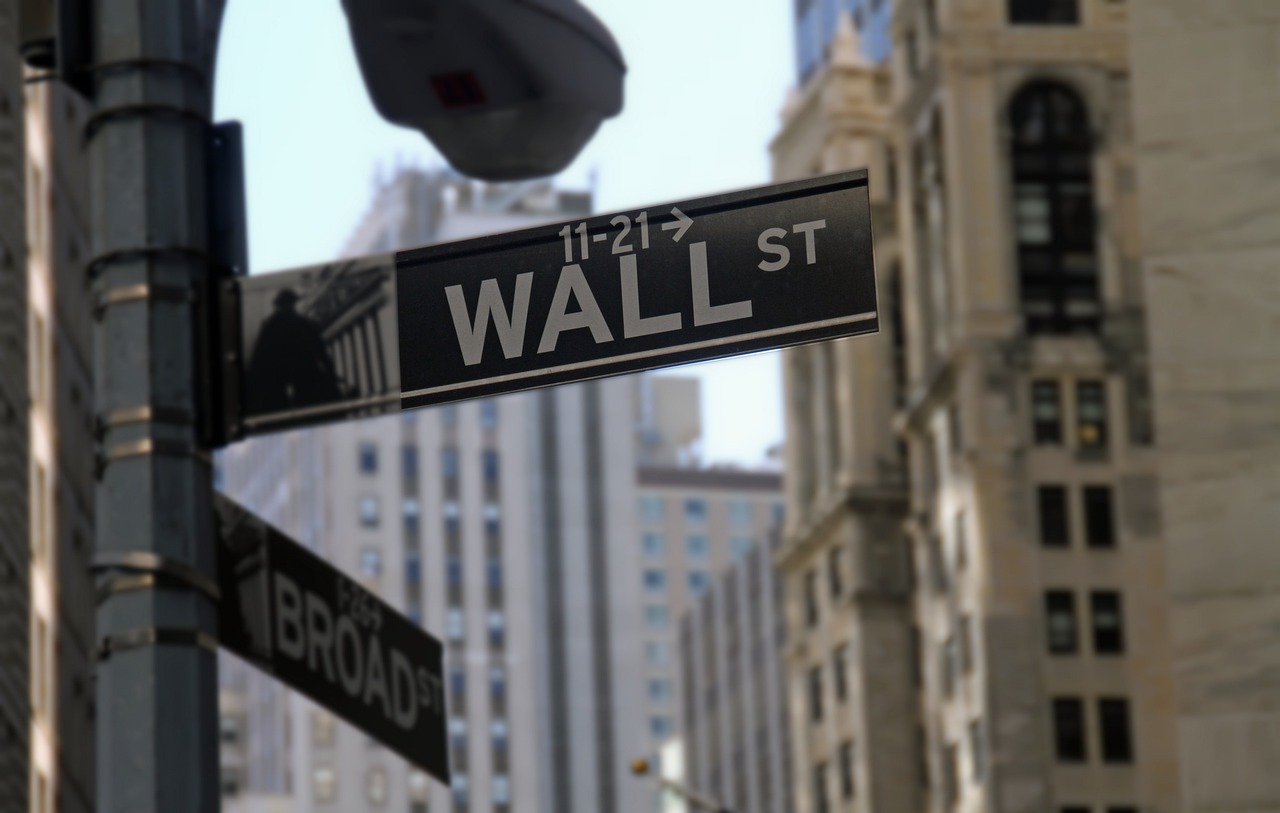



Stocks fell lower Friday as market participants await the outcome of initial trade negotiations between the United States and China over the weekend. The Dow Jones Industrial Average declined over 100 points, while the S&P 500 Index and Nasdaq Composite traded along the flatline.
Here's how the market settled to close out the week:
S&P 500 Index
Dow Jones Industrial Average
Nasdaq Composite Index
Wall Street was encouraged this week by the U.S. and United Kingdom -- America's ninth largest trading partner --- announcing a trade agreement framework on Thursday, boosting outlooks that further deals could be reached with the over 170 countries facing at least 10% duties. The U.K., however, is an outlier as it holds a $12 billion trade surplus with Washington.
The tentative agreement lowers 25% universal tariffs on automobiles from the U.K. to 10% and eliminates the 25% duty on British steel. The 10% baseline tariff on U.K. imports is still in effect, with President Donald Trump calling it a "low number" compared to tariffs on other nations in an Oval Office press conference on Thursday.
On Friday, Trump wrote in a post on his social media platform Truth Social that an "80% Tariff on China seems right!," ahead of talks between Washington and Beijing set to take place in Switzerland this weekend. The current levy on most Chinese imports is an eye-watering 145%, and has held steady despite the White House lowering high duties on almost all over trading partners since Trump's so-called "reciprocal" tariffs were announced in early April.
Goldman Sachs' analysts Jan Hatzius and Alec Phillips gave a pessimistic outlook for trade negotiations with most countries despite the progress with the U.K. in a note to clients on Friday, stating that it "appears increasingly likely" that "most trading partners will soon face a renewed threat that country-specific rates will take effect" at the end of the 90-day pause.
"The details of the U.S.-U.K. deal suggest that the U.S. 10% baseline tariff is likely to remain in place for other trading partners with virtually no exceptions, but signals more flexibility than expected on sectoral tariffs," the team added.
Federal Reserve Governor Michael Barr also stuck a negative tone towards Trump's tariffs when it comes to the U.S. economy in remarks on Friday, warning that the duties on most imports will likely raise prices and lower growth in the back half of the year.
"The size and scope of the recent tariff increases are without modern precedent, we don't know their final form, and it is too soon to know how they will affect the economy," Barr said.
"In my view, higher tariffs could lead to disruption to global supply chains and create persistent upward pressure on inflation," he continued. "I am equally concerned that tariffs will lead to higher unemployment as the economy slows."