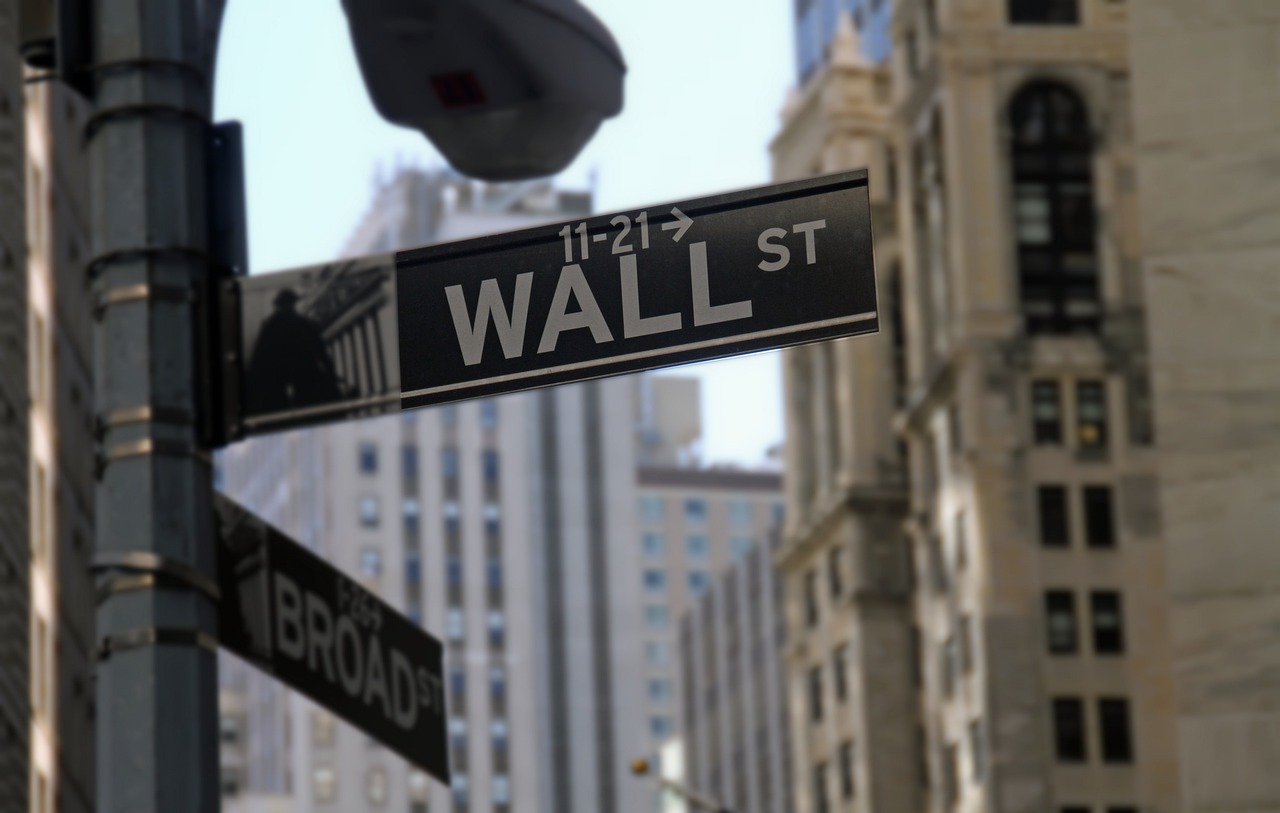


Stocks rose on Friday, boosted by a stronger-than-expected jobs report for April, easing some recession fears as investors continue to trade in an uncertain macroeconomic environment. The Dow Jones Industrial Average jumped over 500 points, while the S&P 500 Index and Nasdaq Composite advanced about 1.5% each.
Here's how the market settled to close out the week:
S&P 500 Index
Dow Jones Industrial Average
Nasdaq Composite Index
Nonfarm Payrolls rose by a seasonally adjusted 177,000 positions in April, the Labor Department reported Friday, coming well above the Dow Jones estimate for 133,000 additions but slightly below March's downwardly revised print of 185,000. The unemployment rate remained at 4.2%, which was widely expected by economists.
The S&P 500 rose for a ninth-straight day on Friday, marking its longest winning streak since November 2004 and its recovery from its losses since April 2, when President Donald Trump announced his tariff policies. The broader market index is now about 7% below its record February high. All three major averages also posted their second consecutive week of gains, with the Dow climbing 3% and the Nasdaq advancing 3.4%.
"This first jobs report post-Liberation Day is much too soon for the impacts of tariffs to show up," said Daniel Zhao, lead economist at job review site Glassdoor, quoted by CNBC. "Even May may still be too early as businesses work down inventories. But today's report does set the benchmark against which we'll measure the tariff impacts."
The strong jobs report, however, did shift investor outlooks on the Federal Reserve's policy timeline, with more than 78% of traders now pricing in at least a 25 basis point interest rate cut in July, according to CME Group's FedWatch tool. Most market participants expect policymakers to hold rates at their current target range of 4.25% to 4.50% for the next two FOMC meetings in May and June.
"A more severe response to the tariff and DOGE shocks may well emerge over the next few months, but the absence of an early start to labor market deterioration makes it less likely that the Fed will have seen enough to cut rates in June," wrote Krishna Guha, head of global policy and central bank strategy at Evercore ISI, in a note to clients on Friday.