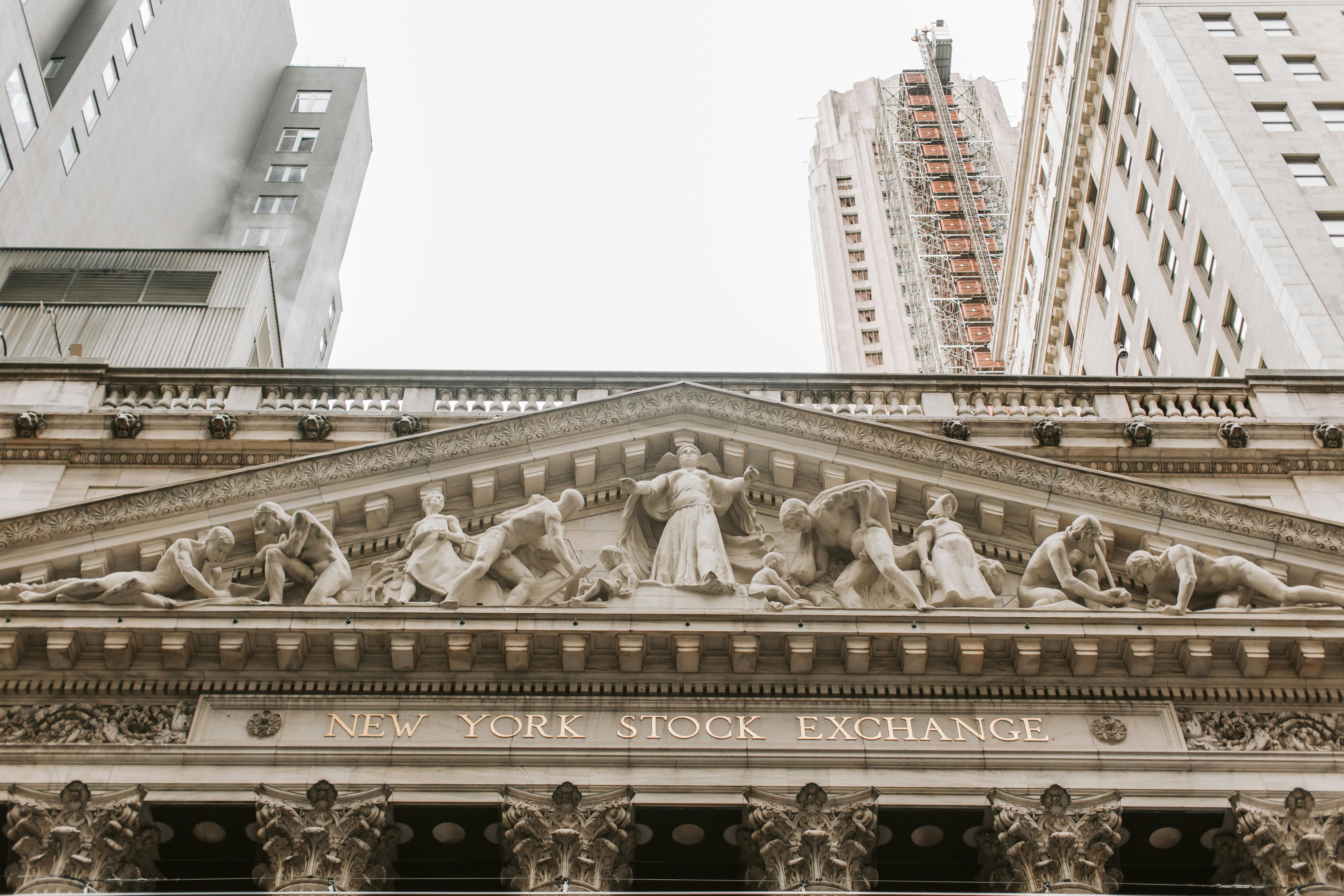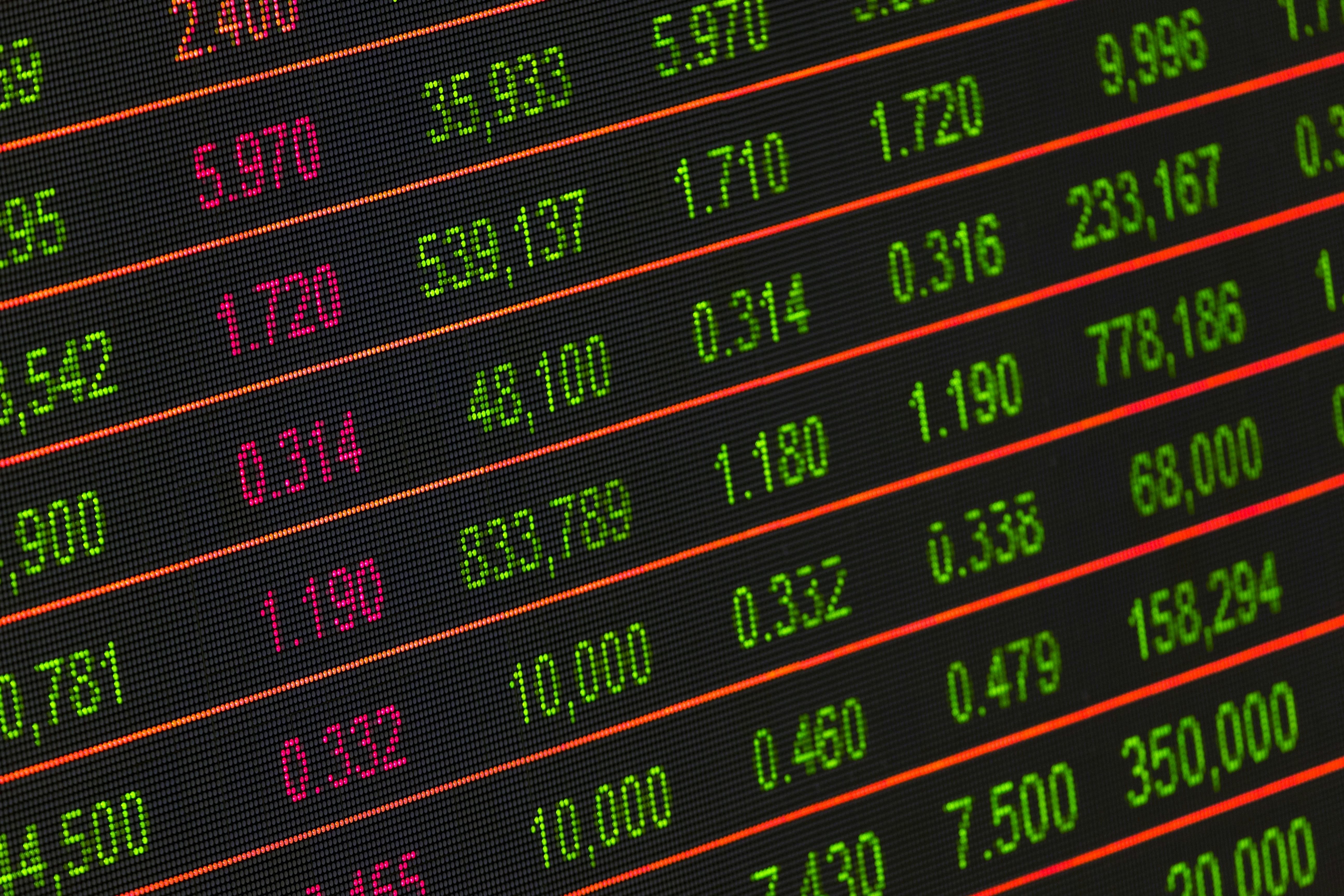


The S&P 500 Index reached a new record high on Friday, capping off its stunning turnaround from the depths seen earlier this year as investors shock off the initial shocks from President Donald Trump's tariffs and going geopolitical tensions in the Middle East.
The market's latest positive momentum came from trade deal hopes between the United States and China, with investors betting the worst of the trade turmoil may be finally behind them.
The S&P 500
Rounding out the rest of the session's gains, the tech-heavy Nasdaq Composite
Driving much of the day's rally was Commerce Secretary Howard Lutnick's late Thursday interview with Bloomberg News, where the U.S. trade official said the U.S. and China have finalized their trade framework. Lutnick also said the White House expects to reach similar deals with 10 major trading partners imminently.
China's Ministry of Commerce confirmed that the two countries have advanced their trade talks on Friday, stating that Beijing will review and approve the export of rare earth materials to the U.S. while Washington will cancel a range of tech restrictions imposed on China.
Moreover, the lingering threat of Trump's looming trade deal deadline to reimpose the steep tariffs on most nations announced on "Liberation Day" back in April may also be behind Wall Street, as White House Press Secretary Karoline Leavitt told reporters Thursday that the July 8 and 9 deadlines are "not critical." Leavitt added that Trump may "simply provide [nations that fail to meet this timeline] with a deal."
That positive momentum helped offset some uncertainty stemming from the latest trade developments between the U.S. and Canada and a hotter-than-expected inflation reading.
On Friday, Trump said the White House is immediately "terminating ALL discussions on Trade with Canada" in response to Ottawa's move to impose a digital services tax on U.S. tech companies, accusing the nation of "copying the European Union" in a post on his social media platform Truth Social.
"We will let Canada know the Tariff that they will be paying to do business with the United States of America within the next seven day period," Trump added. According to the officer of the U.S. trade representative, trade between the U.S. and Canada totaled about $762 billion last year.
In economic news, the Federal Reserve's preferred inflation gauge showed inflation accelerating further in May, reigniting some investor concern over when the central bank will cut interest rates.
The Bureau of Economic Analysis' core personal consumption expenditures price index reading, which excludes food and energy prices, rose 2.7% annually on Friday, coming in above April's upwardly revised reading of 2.6%. Month-to-month, the core reading came in-line with April's gains at 0.2%.
Overall PCE increased by 2.3% for the year in May, above April's 2.2% advance.
"The trend in parts of discretionary spending has weakened, and we expect a further slowdown in the coming months as tariffs begin to weigh on real disposable incomes," Oxford Economics Deputy Chief U.S. Economist Michael Pearch wrote in a note to clients after the report.
Elsewhere, consumer sentiment rose sharply in June to a four-month high, as Americans' previous economic concerns improved. The University of Michigan's final consumer sentiment index increased to 60.7 from 52.2 month-to-month, coming in well above economist expectations.
"The improvement was broad-based across numerous facets of the economy," said Joanne Hsu, director of the Surveys of Consumers, in a statement. "With the recent moderation in both tariff levels and trade policy volatility, consumers now appear to believe that their worst fears may not come to pass and have moderated their expectations accordingly."