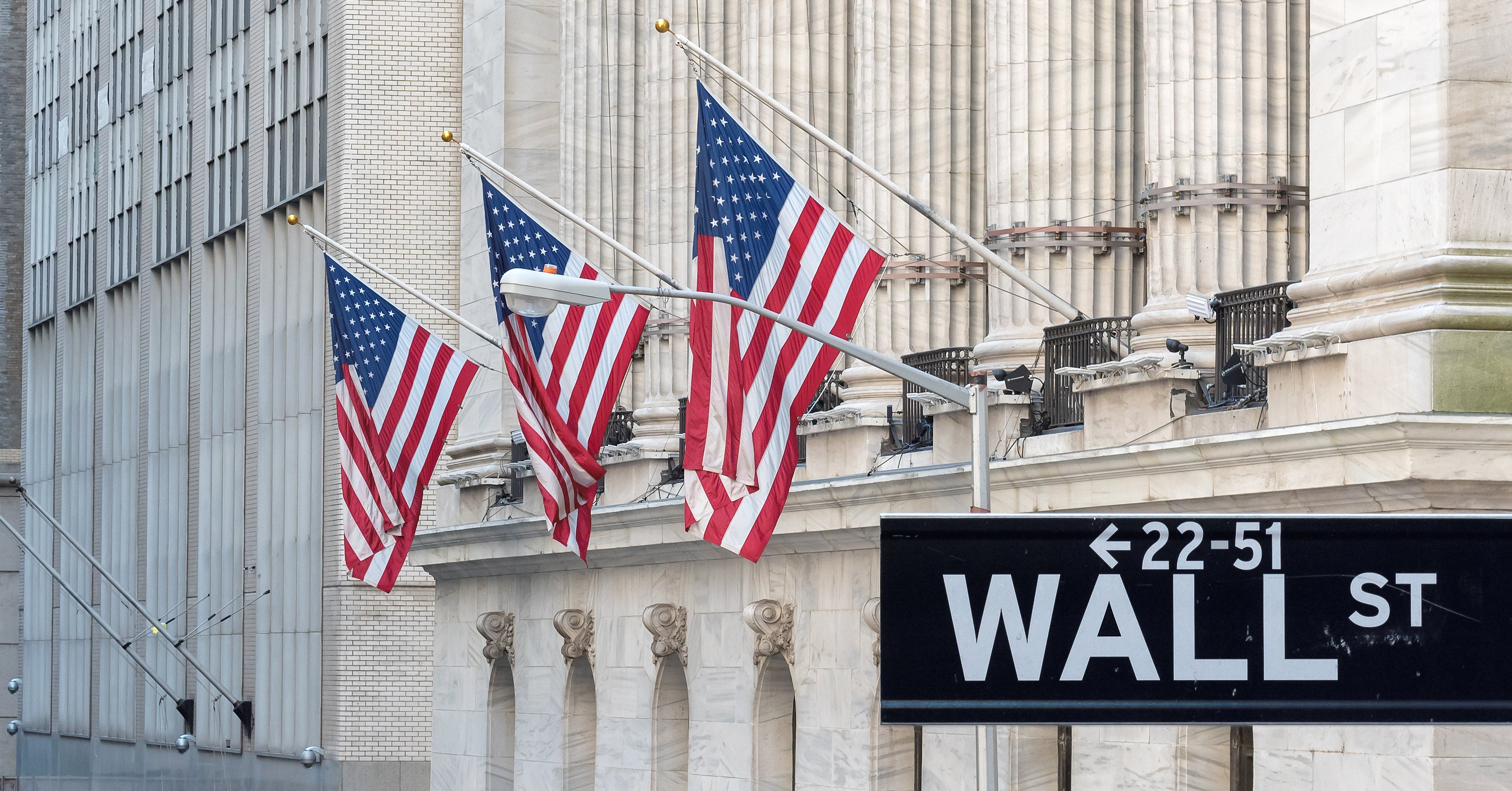




Stocks ended Tuesdays session mixed as market participants looked ahead towards more key inflation data and the start of the first-quarter earnings season later this week. The Dow Jones Industrial Average climbed nearly 100 points, while the S&P 500 closed at a negative flatline and the Nasdaq Composite lost 0.4%.
Here's how the market settled on Tuesday:
S&P 500 Index
Dow Jones Industrial Average
Nasdaq Composite Index
The day's moves come ahead of March's consumer price index reading scheduled to release Wednesday morning. Economists polled by Bloomberg expect last month's CPI to rise 0.3% from February, lowering the annual inflation rate to 5.2%.
Wednesday will also see the release of the Federal Reserve's minutes from its latest meeting, offering more clues on the central bank's next moves to stabilize prices. After that, a reading on March's producer price index will release on Thursday and earnings reports from financial leaders like BlackRock
Tuesday's moves also follow a slightly cooler-than-expected jobs report for March, which saw non-farm payrolls increase by 236,000 and the unemployment rate ticking lower to 3.5%, according to the Labor Department on Friday. Notably beneath the headline, the labor force participation rate rose to a post-pandemic high of 62.6%.
In single-stock news, Alibaba
Moderna
Looking ahead, the International Monetary Fund (IMF) released its weakest global growth expectations in its latest World Economic Outlook for the medium term in more than 30 years on Tuesday, offering the latest sign of a looming recession on the horizon.
The institution said that five years from now, global growth is forecasted to be about 3%, saying that global economic is not expected to see the rate of growth "that prevailed before the pandemic" in the medium-term.
There is a silver-lining, however, in the IMF's short-term outlook. The institution expects global growth of 2.8% for 2023 and 3% in 2024. Still, these forecasts are slightly below the IMF's previous estimates published in January.
"The anemic outlook reflects the tight policy stances needed to bring down inflation, the fallout from the recent deterioration in financial conditions, the ongoing war in Ukraine, and growing geoeconomic fragmentation," the IMF said in the report.