



Virgin Galactic Holdings Inc.
The stock climbed from $2.47 on May 20 to as high as $6.18 by May 29 - a move that played out in nine trading days and caught many bears off guard.
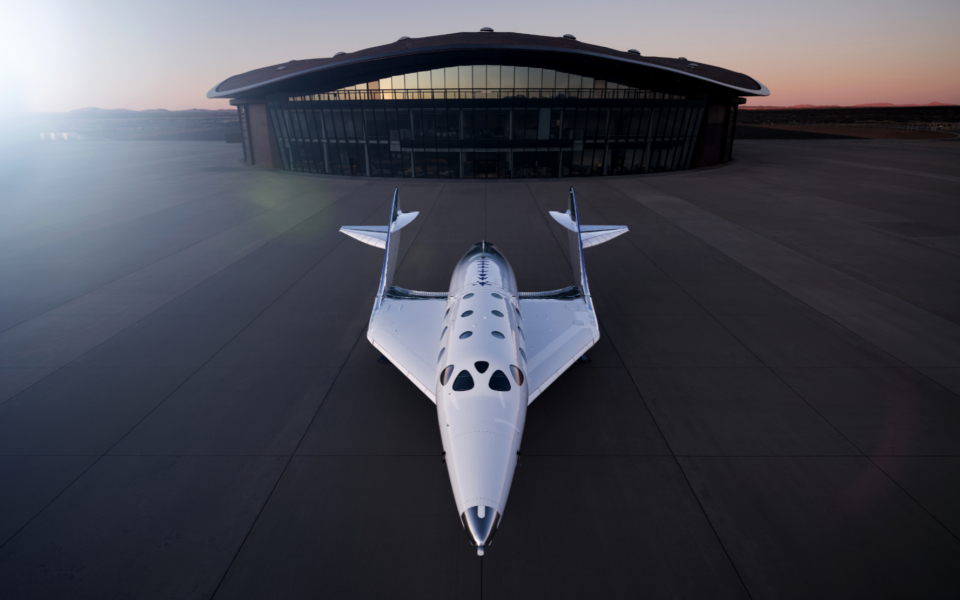
The catalyst stack driving the rally is real: a successful glide test of VSS Unity on May 27 at Spaceport America, a court settlement clearing a litigation overhang that had hung over the stock since 2022 and a Jefferies analyst reaffirming the company's Q4 2026 commercial launch roadmap.
The upcoming, highly anticipated SpaceX IPO driving renewed interest in the space sector is the icing on the catalyst cake.
Short sellers who had been pressing SPCE shares lower on cash burn concerns suddenly found themselves on the wrong side of a momentum trade.
With retail traders flooding into SPCE on social platforms and volume spikes signaling fresh speculative interest, the squeeze dynamics became self-reinforcing - every uptick forcing more covering, which drove prices higher, which forced more covering.
The Fundamentals
The fundamental picture hasn't changed dramatically.
Virgin Galactic remains in a pre-revenue phase, burning roughly $93 million in free cash flow per quarter against a liquidity buffer of approximately $220 to $251 million.
The company carries a going concern disclosure in its 2025 annual report, and the math on runway is tight - two to three quarters at current burn rates before additional capital would be needed. None of that is new information. What changed is sentiment.
The May 27 glide test was the first actual flight activity in two years, and markets treated it as proof-of-concept for management's timeline.
Virgin Galactic has guided Q3 2026 for additional Delta-class glide tests, with rocket-powered flights and a commercial launch targeted for Q4.
At $750,000 per seat, the company has reopened ticket sales for roughly 50 flights - a backlog that could convert into real revenue if the timeline holds.
The Bottom Line
Whether the short squeeze has more room to run depends on two things: how much short interest remains in the float, and whether the company can string together operational milestones without a slip.
Any delay in the Delta-class test schedule would give bears an opening to reload. Conversely, each successful test between now and October is likely to trigger another round of covering.


