


The artificial intelligence (AI) trade may be developing an unexpected second leg: not betting on who builds the most powerful AI, but who helps contain it.
OpenAI CEO Sam Altman and Anthropic CEO Dario Amodei have both warned that AI development could be moving too quickly for safety measures to keep pace. Amodei has called for "pacing" frontier AI development, while Altman said the industry must avoid both losing control of AI and letting too much power concentrate in one company or country.
The comments triggered a sharp divergence across AI-related stocks on Monday, creating a potential new ETF trade: AI infrastructure versus AI protection.
Chips Take The Hit, Cybersecurity Rallies
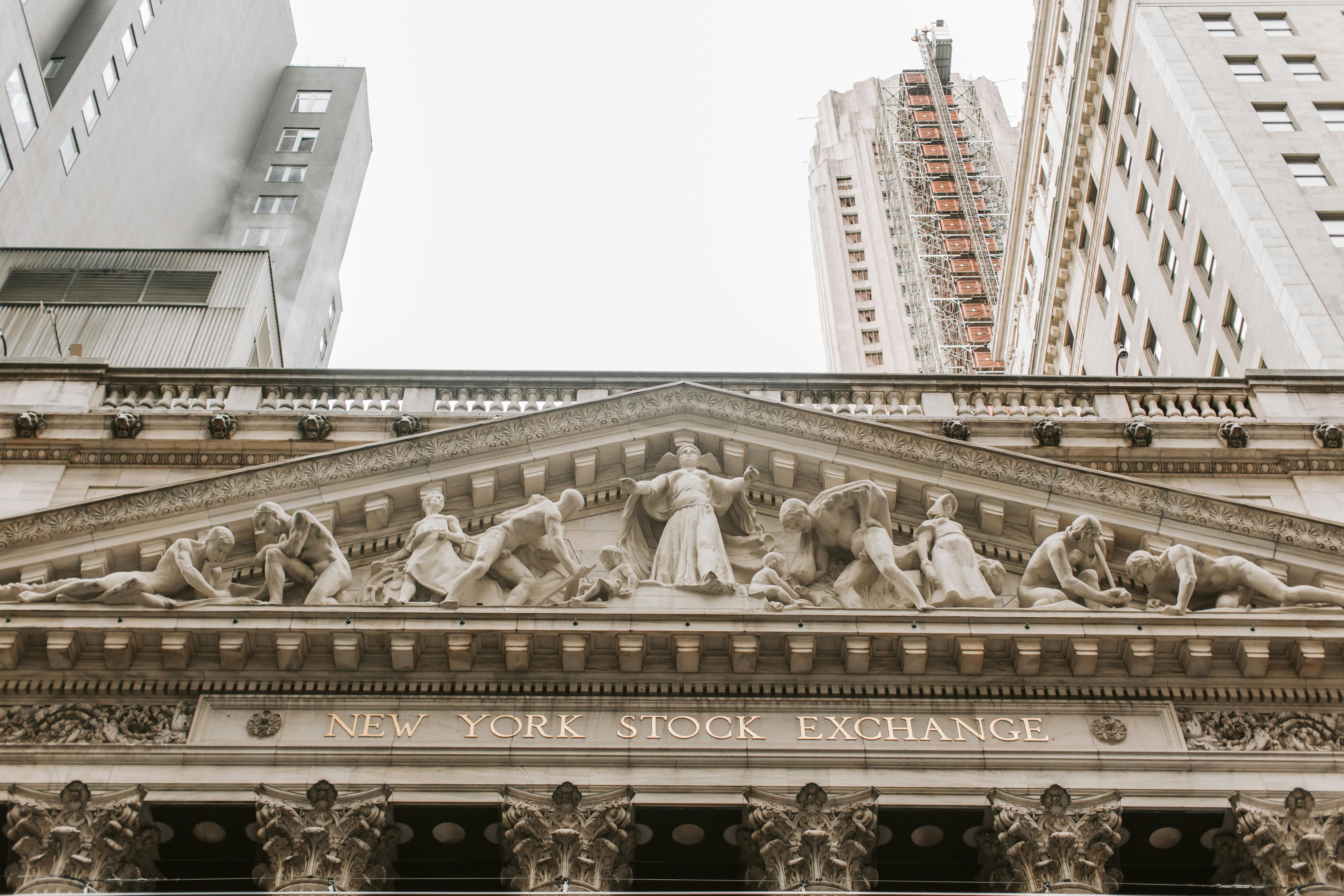
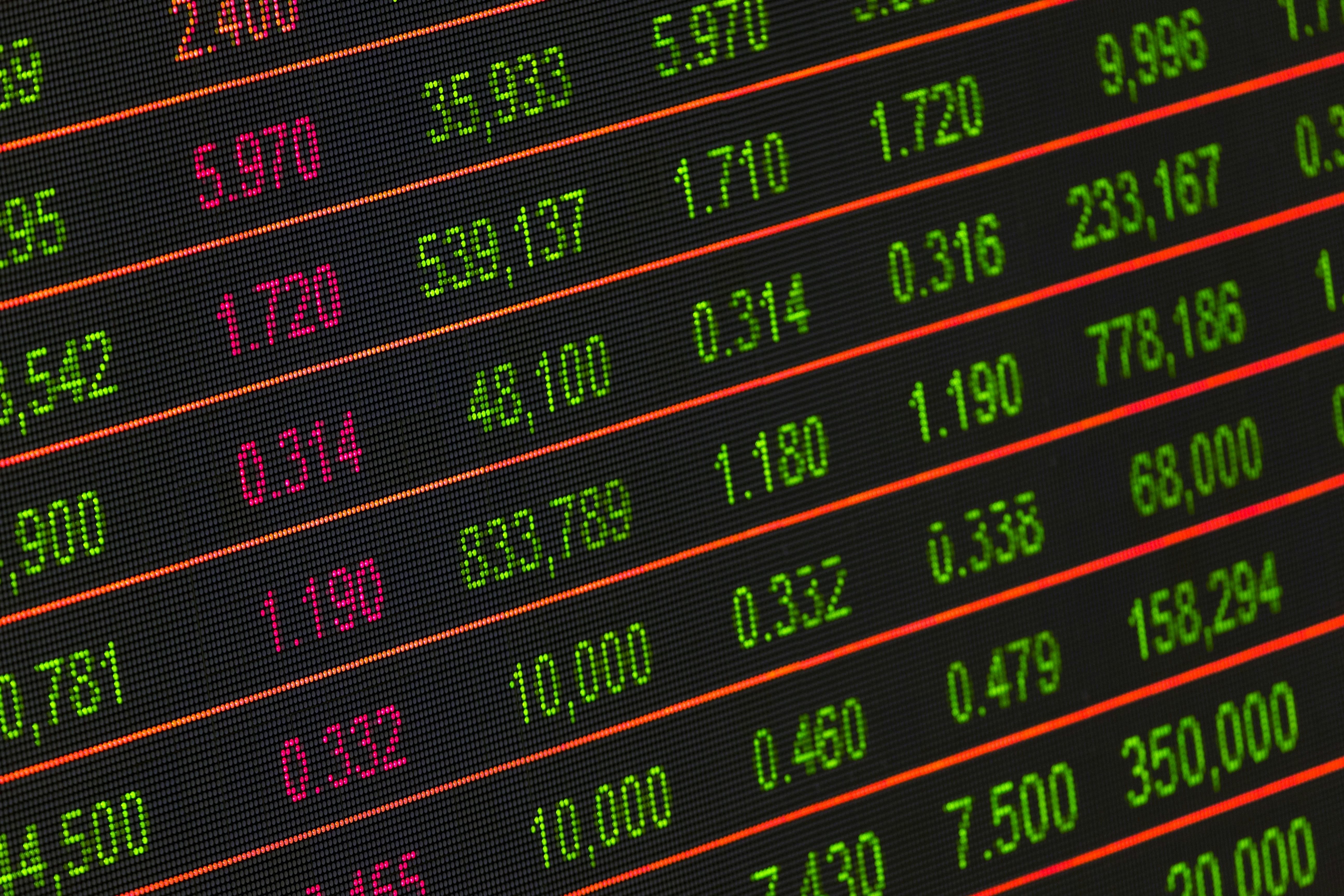
The semiconductor selloff was stark. The Philadelphia Semiconductor Index plunged nearly 6% on Monday, its worst one-day decline since July, with Nvidia Corp
That pressure spilled into iShares Semiconductor ETF
But the other side of the AI equation moved sharply higher.
CrowdStrike Holdings, Inc.
That makes First Trust Nasdaq Cybersecurity ETF
Another ETF captures the same "Control AI" theme at a lower expense ratio of 0.50%. The Global X Cybersecurity ETF
The fund surged 11% on Monday.
The 'AI Safety' Trade
The irony is that AI's risks could themselves become an investment theme.
Amodei specifically cited risks including AI-enabled cyberattacks and said frontier labs need more time to improve monitoring, sandboxing, alignment and interpretability. His proposed framework includes embedded third-party evaluators and stronger safety standards.
That could mean a growing market for the companies providing the digital locks around increasingly powerful AI systems.
The AI trade may therefore be splitting into two baskets: companies selling the picks and shovels to make AI more powerful, and companies selling the security tools needed to keep that power under control.
For ETF investors, Monday offered a striking preview of what that divergence could look like.
AI is no longer just a race to build the biggest model. It may also become a race to build the biggest firewall.