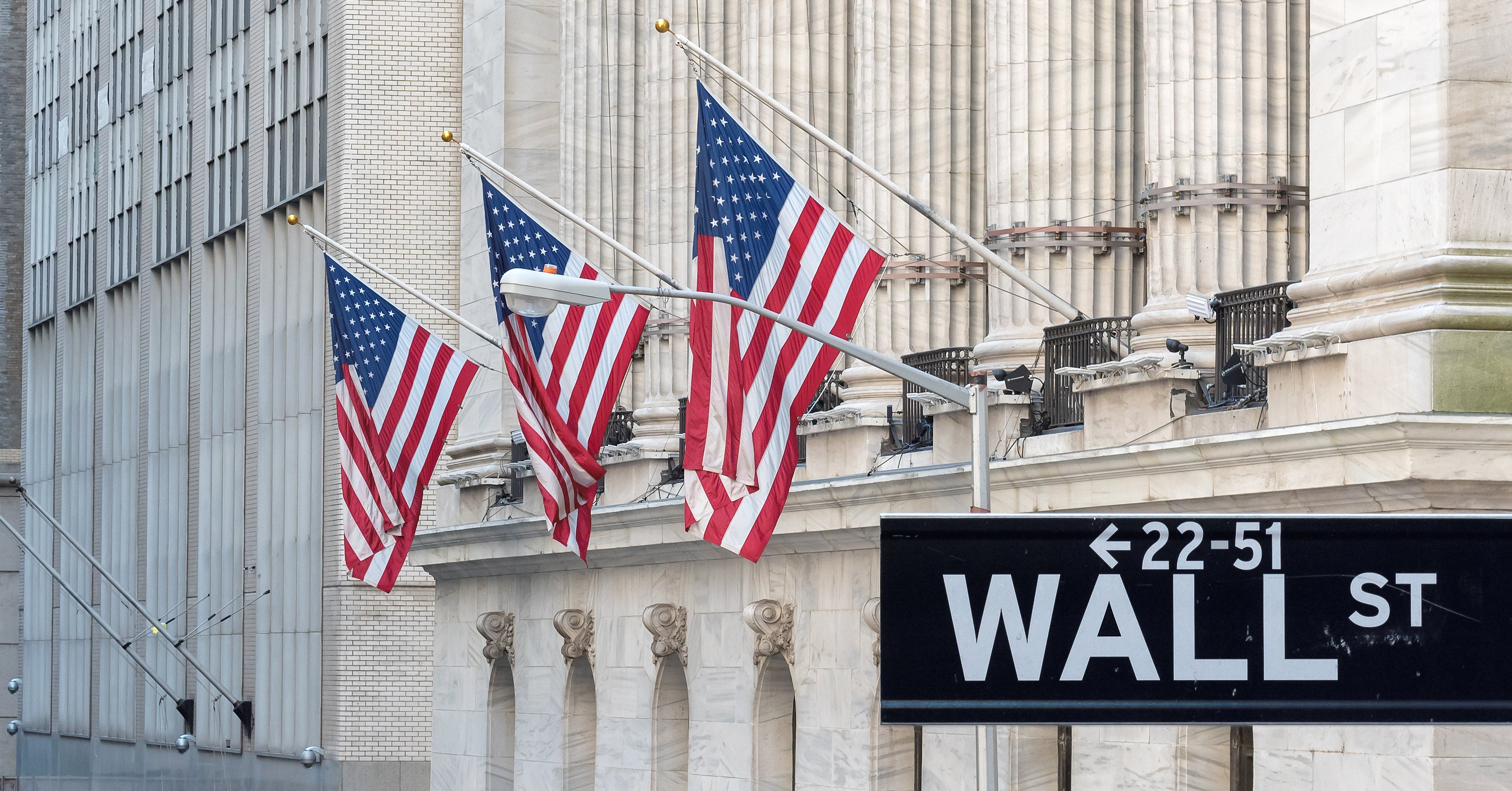



Stocks wavered on Tuesday as investors weighed new anxieties surrounding the latest round of tariffs announced by President Donald Trump with the potential of a U.S. federal government shutdown.
Adding to his long-list of tariffs, President Trump detailed new duties on lumber, timber, and certain types of furniture late Monday. The presidential proclamation followed Trump's proposal to charge 100% duties on both foreign-made movies, heavy truck imports, and some imported drugs.
The White House plans to impose 10% tariffs on imported timber and lumber and a 25% levy in kitchen cabinets, bathroom vanities and upholstered furniture starting Oct. 14, according to the proclamation. Moreover, starting Jan. 1, the tariffs for upholstered wooden products and kitchen cabinets and vanities will increase to 30% and 50%, respectively, for all imports from countries that fail to reach an agreement with the United States.
On Tuesday, Trump threatened to impose tariffs of up to 200% on pharmaceutical imports, suggesting that he will give countries "about a year, year and a half" before they go into effect.
Trump announced separately that Pfizer
"Pfizer has agreed to provide some of the most popular current medications to our consumers at heavily discounted prices anywhere between 50% and even 100%," Trump said, adding that those drugs will be available for direct purchase at a discount online on a website called TrumpRx.gov.
Investors are also keeping a close eye on developments out of Washington D.C. ahead of the 12:01 a.m. ET Oct. 1 deadline for Congress to reach a funding agreement to prevent a government shutdown. Vice President JD Vance told White House reporters late Monday that he thinks "we're headed to a shutdown" after Republican and Democratic lawmakers failed to reach a deal. The looming shutdown would be the first since 2019.
Historically, Wall Street is minimally impacted by a government shutdowns, as they are usually seen as non-events for the economy. However, market participants are concerned this time that the stoppage will halt the release of critical economic data ahead of the Federal Reserve's next policy meeting in October.
"While the U.S. government may be headed for a shutdown, we expect little economic impact," wrote Mark Cabana, head of rates strategy at Bank of America, in a note to clients. "A shutdown would pause economic data releases, leaving the Fed reliant on private data for its policy decisions if the shutdown extends."
Boston Federal Reserve President Susan Collins on Tuesday that while she supported the Fed's 25 basis point interest rate cut in September, the current "highly uncertain environment" makes the central bank's path on future cuts unclear.
"In my view, a bit of easing was appropriate to address the recent shift in the balance of risks to our inflation and employment mandate," Collins said in prepared remarks in New York. "But I continue to see a modestly restrictive policy stance as appropriate, as monetary policymakers work to restore price stability while limiting the risks of further labor market weakening."
On the economic front, consumer confidence ticked lower in September, the Conference Board reported Tuesday, falling 3.6 points month-to-month to 94.2 -- marking the lowest reading since April. Beneath the headline, consumers' 12-month inflation expectations edged lower to 5.8% from August's reading of 6.1%.
"Consumers' assessment of business conditions was much less positive than in recent months, while their appraisal of current job availability fell for the ninth straight month to reach a new multi-year low," said Stephanie Guichard, senior economist for global indicators at the Conference Board, in a statement.
The Bureau of Labor Statistics' Job Openings and Labor Turnover Survey (JOLTS) was little changed in August, with open positions increasing by 19,000 to total 7.23 million -- coming in-line with economist expectations. However, the month's rate was doen 5.5% from the same period a year ago.
In the news, Spotify
"Over the last few years, I've turned over a large part of the day-to-day management and strategic direction of Spotify to Alex and Gustav -- who have shaped the company from our earliest days and are now more than ready to guide our next phase," said Ek, who co-founded the Swedish audio streaming company in 2006, in a statement. "This change simply matches titles to how we already operate"